At the University of Denver, transportation is more than a way to get from class to class; it shapes how students experience daily life, manage their schedules, and navigate the city around them.
For some students, getting around means combining several methods of transportation depending on convenience, cost, and reliability.
“Normally, I walk, take the RTD, and drive because I have my own car,” said Cooper Kilpatrick, a senior at the University of Denver.
Transportation choices at DU often depend on personal circumstances. Students living on or off campus, balancing academics, work, athletics, or social life, all face different mobility needs. While some students rely on cars for flexibility, others turn to public transit, walking, or alternative transportation to save money and avoid parking challenges.
Sophomore Gary Goldman described a more mixed approach to transportation.
“I do some walking. I got a car here, but that’s for longer ones,” Goldman said. “But the thing that I love most of all is my skateboard.”
For Goldman, skateboarding offers independence and efficiency without the expense of owning or regularly driving a vehicle.
Alex explained that he does not always have access to a car and that rideshare services can be costly. “Uber is just too expensive,” he said, adding that he does not like depending on friends or roommates for rides, especially considering current gas prices.
Still, each mode of transportation comes with its own challenges.
Goldman joked that skateboarding works best in one direction. “Skateboards are not for going uphill,” he said. “They’re going downhill.”
Driving presents a different set of frustrations. Cooper noted that transportation by car offers reliability and freedom but also comes with concerns about parking and expenses.
“Probably reliability,” Kilpatrick said when describing the advantage of having a car. “If I need to go somewhere whenever I need to, I can without relying on either RTD or somebody else.”
However, that convenience has a cost. “Parking can be expensive,” he explained, particularly around the University of Denver and the surrounding area. Rising gas prices also influence how frequently students choose to drive.
Public transportation through RTD offers another option for students looking to move beyond campus without the cost of owning a car.
Alex Dora, a sophomore at DU, described RTD as a dependable transportation method.
“It’s pretty reliable,” Dora said. “There are always delays by one or two minutes, but it’s always there every 20 minutes or so.”
Although Dora praised the system’s consistency, he also pointed to limitations within the transit network. He said he wished there were additional train lines to Union Station and fewer route crossovers.
Transit accessibility can shape where students feel able to travel. Dora noted that traveling south of campus can be difficult without taking the bus, limiting some transportation options beyond the university area.
Despite these challenges, students continue adapting their transportation choices to fit their lifestyles and priorities.
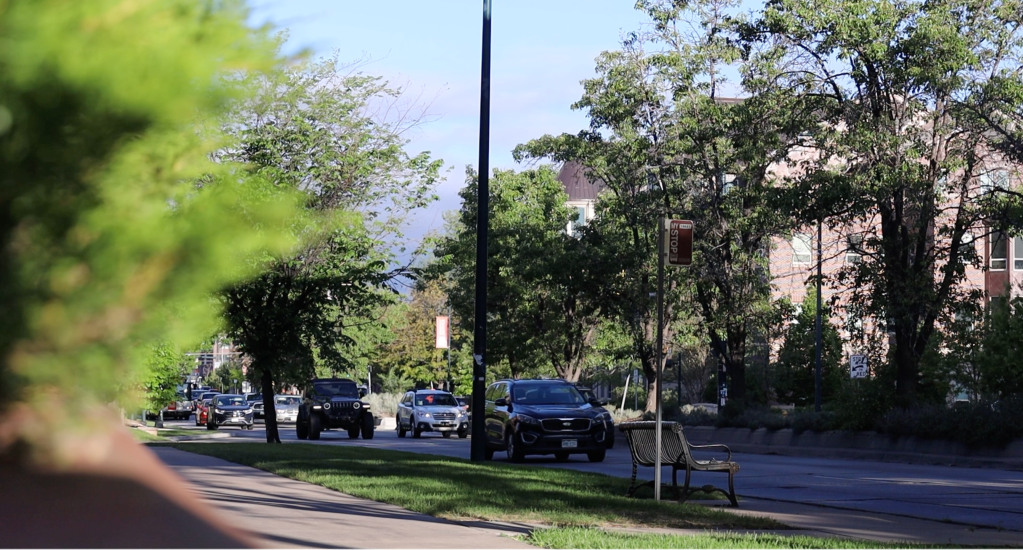
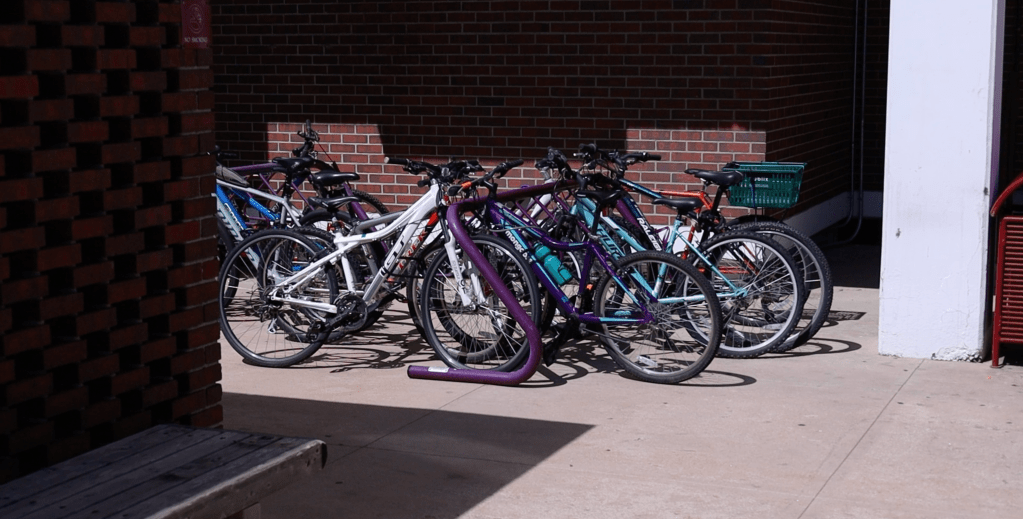
The video captures these experiences through student interviews alongside observational footage across campus. B-roll shows students walking between classes, skateboarding through campus pathways, driving and parking vehicles, and using RTD transportation. Long, medium, and close-up shots emphasize movement, routine, and the constant activity that defines campus life.
Through these different perspectives, transportation emerges as more than logistics. It reflects issues of accessibility, affordability, reliability, and personal independence.
Whether traveling by skateboard, car, RTD, or on foot, DU students are constantly making decisions about how to move through both campus and the broader Denver community.
 dailycollegelife.blog
This is a very interesting topic as there are so many different students at DU and everyone uses their own mode of transportation. You guys did a great job incorporating your interviews whilst also matching them to your broll! The editing is very well done as well and overall great project.
LikeLiked by 1 person
This was a great topic choice! Something I hadn’t given a ton of thought to before, but was super informational and made me think more about it. Good editing techniques as well. Great work!
LikeLiked by 1 person