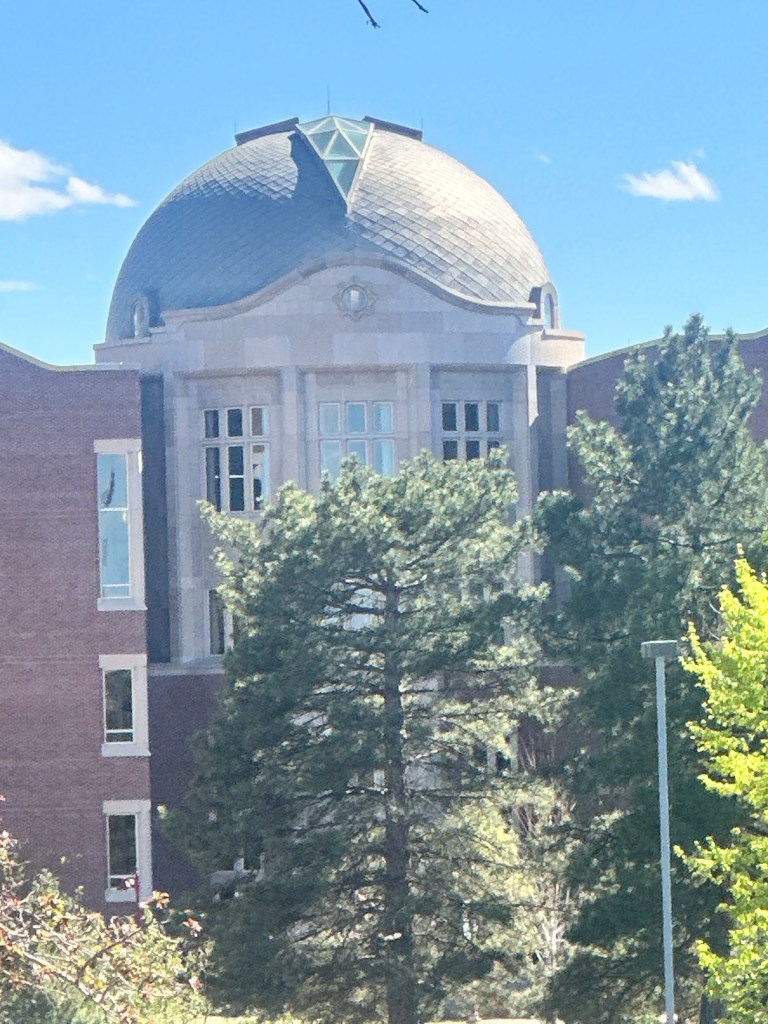
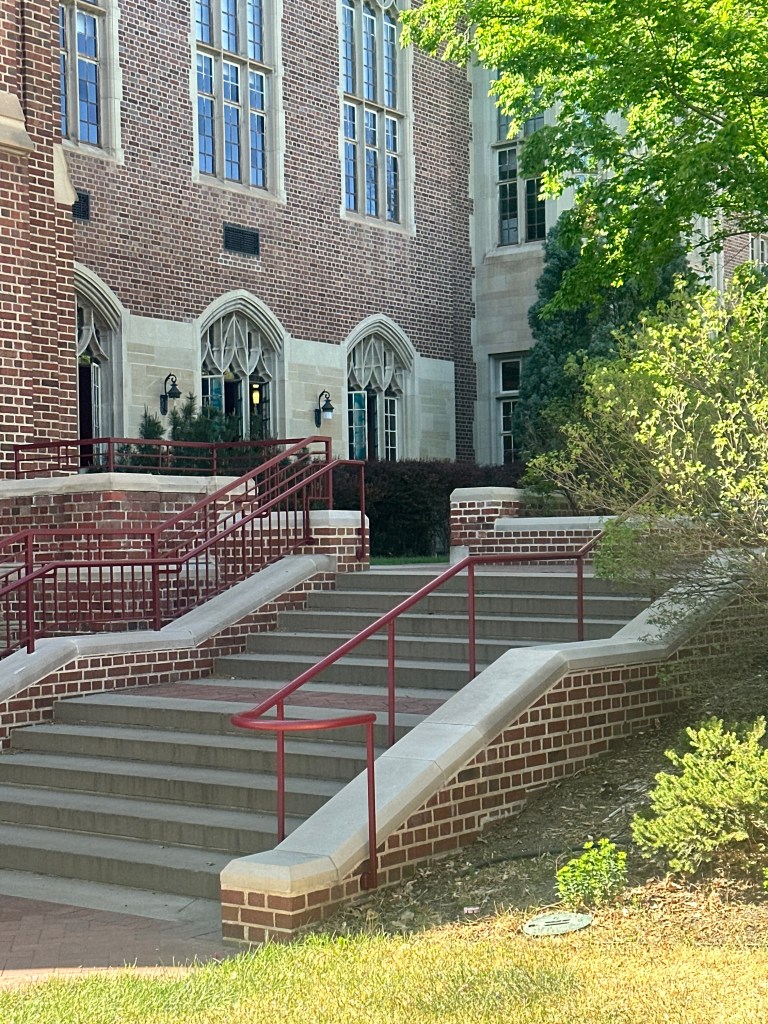
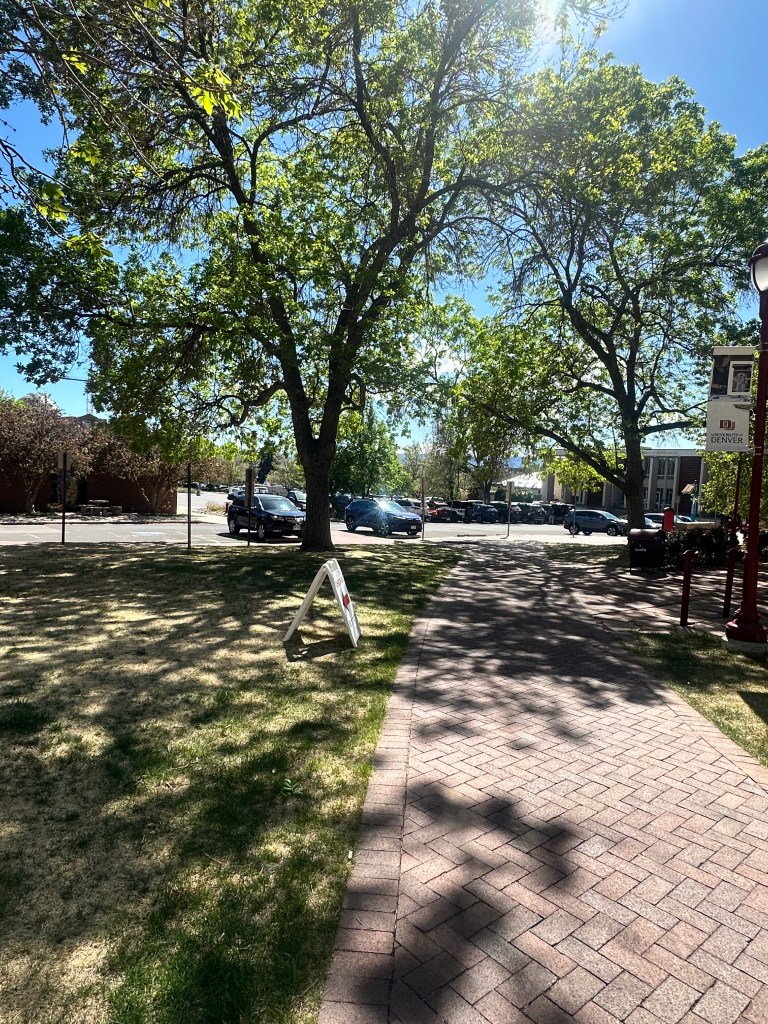
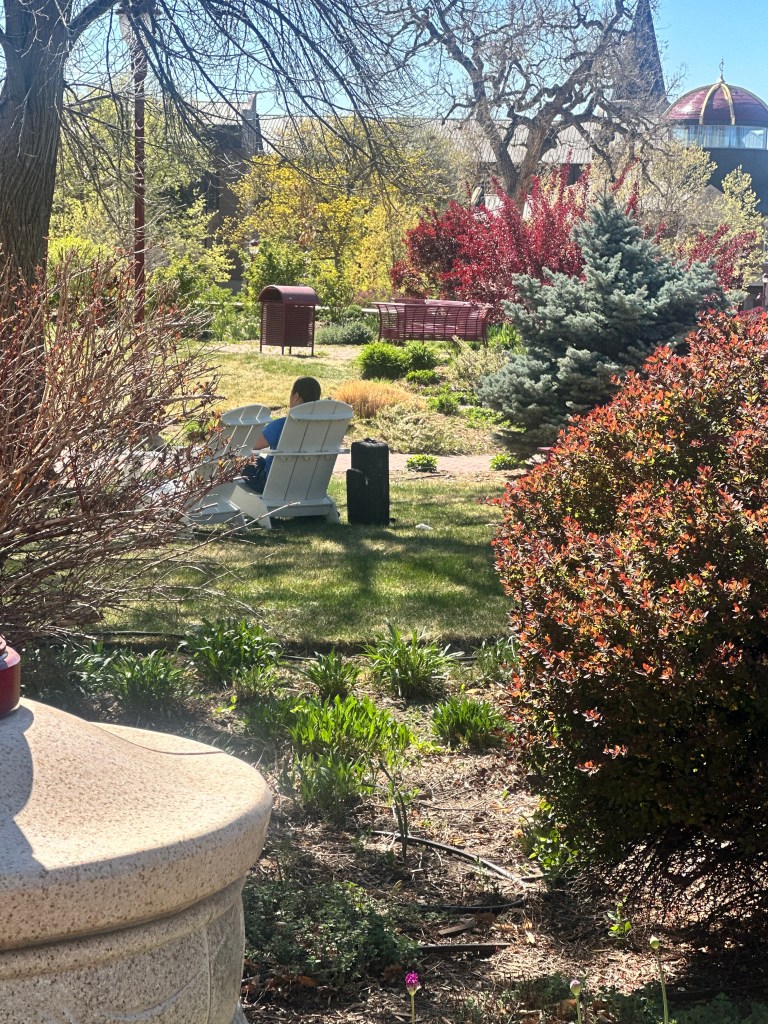
The Denver Asia Center has long served as more than just a physical space on campus at the University of Denver. For many Asian American students, it functions as a cultural anchor, a place of familiarity, and a point of connection to heritage, identity, and community. In moments of uncertainty, it becomes a reminder of belonging within a broader university environment.
Recent discussions surrounding the Asia Center created concern across both campus and the surrounding community. However, the center is no longer at immediate risk, as earlier plans for reconstruction or removal have been withdrawn. Despite this, the long-term future of the space remains uncertain, leaving students and business owners still reflecting on its importance and stability.
My creative process behind this was rather simple actually. You see I had the genius concept I call “forgetting my final project until the day before”, this technique allowed me to create a fun narrative of a college student who has left his assignment to the very last minute. This also saved me the struggle of having to search through thousands of topics. Overall however I was able to have a ton of fun with this project. The second part being filmed on vertical was something I forget to change so you’ll have to excuse that aspect I tried to change it after the fact and it wasn’t the best result and it ended up looking really bad trying to change it into a horizontal view. The other challenge was making that room as messy and as trashy as it was. I was able to ask my friends to trash the general room and we had a blast making a mess to create a sense of ungodly amounts of disorganization. The last bit was adding in the it’s always sunny in Philadelphia intro music as it seemed like a more tame less degenerate it’s always sunny bit. Overall this was a fun project and I had a blast making it.
Our story talks about how AI is complicating DU undergrads and graduates. A lot of them already have PHD’s and are still taking DU courses to fulfill experience requirements. They’re scared that they will never get a job and it’s a very anxious and competitive time for them because the job market is not only scarce but also very particular anyway, and adding AI to their job makes it nearly impossible. We interviewed four students and asked them questions about how they feel at the current moment and now that AI is taking over how is it impacting them personally. A lot of them feel defeated, angry, and desperate at this time so this connects to life after DU and the consequences of AI and the foreseeable future getting stronger technologically.
We think that this kind of anxiety would be good to report on because it can happen to anyone. This applies to both post grad and Undergraduate students. As you will see in this video both are still unsure about what to do and even going through graduate school is a lot after being through college and it’s proven that even having a PHD is not enough. This also may be a call to action towards job recruitments, not like they will really do anything about it. Seeing people desperate for even an entry level position of being a receptionist or base sale’s person really calls attention to the unfairness and devastation that is the job market.
For my slideshow project, I focused on downtown Denver because it is a place that is personally meaningful to me. The project explores the city through the perspectives of people who frequently spend time downtown and have strong connections to it. To build the slideshow, I conducted several interviews with Denver residents and visitors, asking them about their favorite places, memories and experiences in the city. After each interview, I visited the locations they mentioned and photographed them. Most of the photographs were taken using my Canon camera, although some locations required me to switch to my phone camera because of restrictions on professional photography equipment. By combining interviews with photographs of the locations discussed, I wanted the slideshow to present a more personal and authentic view of downtown Denver while highlighting the atmosphere and culture of the city.
The slides were arranged in the same order that the locations and stories appeared during the interviews. I chose this structure because it allowed the slideshow to feel natural and conversational, almost as if the viewer were experiencing the city alongside the interview subjects. Audio clips from the interviews were included so viewers could hear people describe their experiences in their own words, which added personality and emotion to the project. Text was also added throughout the slideshow to provide context and help guide viewers through the narrative. Integrating the photographs, audio and text was more difficult than I originally expected because I encountered microphone issues that affected some of the recordings. I also faced problems with the weather because heavy rain prevented me from returning downtown to reshoot some images I was unhappy with.
Overall, the project taught me a great deal about photography, audio recording and visual storytelling. The interviews were one of the strongest parts of the slideshow because they helped create a stronger emotional connection between the audience and the locations being shown. I also learned the importance of preparing for technical issues and unpredictable weather conditions when working on outdoor projects. If I were to complete this project again, I would bring backup audio equipment, spend more time checking sound quality before interviews and schedule additional days for photography in case weather conditions changed. I selected the photographs that best represented the stories and emotions shared by the interview subjects while leaving out images that felt repetitive or did not contribute to the overall narrative. In the end, the slideshow became more than a collection of photographs. It became a reflection of the people, memories and experiences that shape downtown Denver.
I organized the slides in the same order that the locations and stories naturally came up during the interviews because I wanted the audience to experience the project almost like a conversation or a guided tour through the city. Instead of forcing the images into a different sequence, I felt keeping the original order helped preserve the honesty and spontaneity of the interviews. I also integrated audio clips from the interviews so viewers could hear people speaking about these places in their own voices, which added emotion and realism to the slideshow. In addition, I included text throughout the video to help provide context for each location and guide the audience through the narrative. The process of combining photographs, audio, and text was more difficult than I initially expected because I ran into technical problems with the microphone recordings, and some audio needed additional editing in order to sound clear. I also faced challenges with the weather because when I planned to return downtown to reshoot certain images, heavy rain made it difficult to capture the footage I originally envisioned.
Overall, the process taught me a lot about photography, audio recording, and storytelling through multimedia. One thing that worked well was the interview aspect because it gave the slideshow a stronger emotional connection and made the project feel more genuine than if I had simply photographed random locations. I also think the variety of images helped show different sides of downtown Denver, from popular public areas to smaller locations that held personal meaning for the people I interviewed. However, I learned that planning around audio quality and weather conditions is extremely important, especially for projects filmed outdoors. If I were to do this project again, I would bring backup audio equipment, spend more time testing microphone levels before recording interviews, and plan additional days for photography in case weather conditions changed unexpectedly. I carefully chose the photos that best represented the stories and emotions shared during the interviews, while excluding photos that felt repetitive, poorly lit, or disconnected from the overall theme of the project. In the end, the slideshow became not only a visual exploration of downtown Denver, but also a reflection of the people and experiences that give the city its identity.
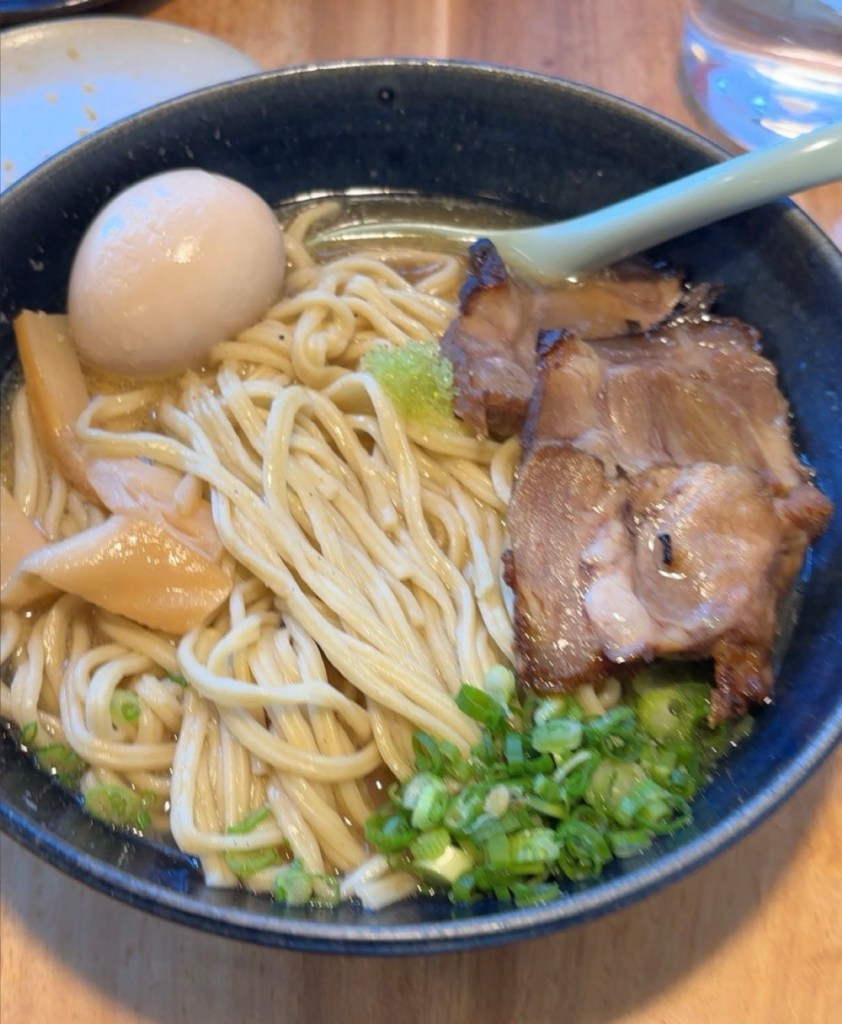
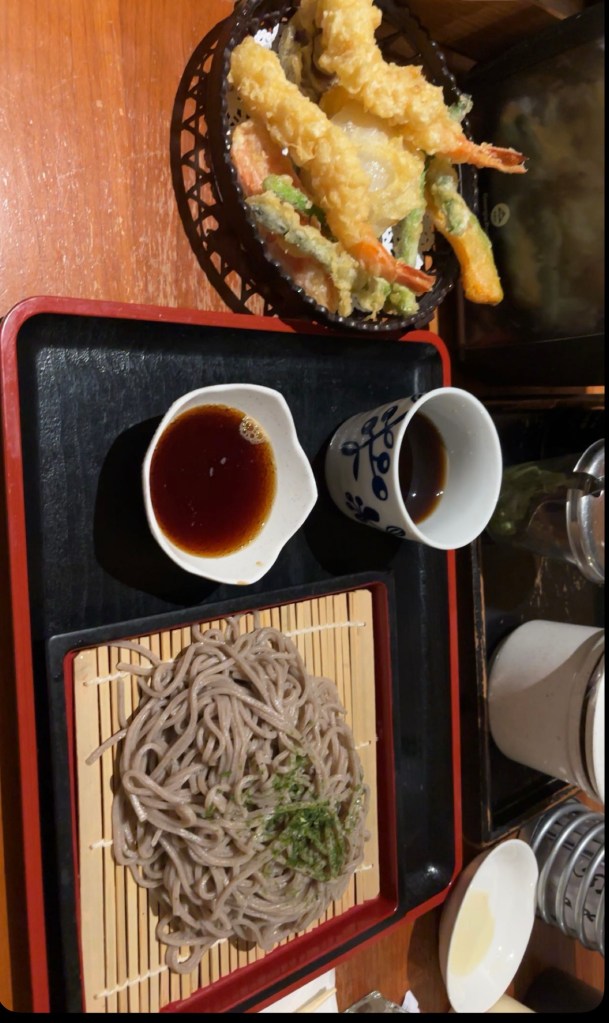
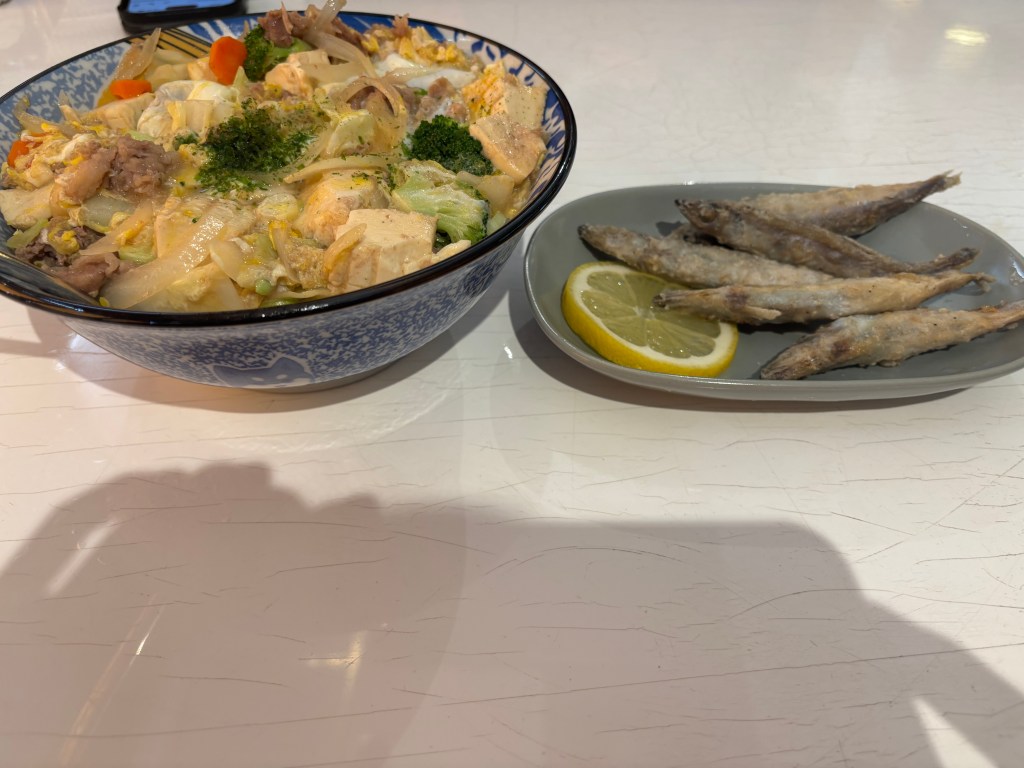
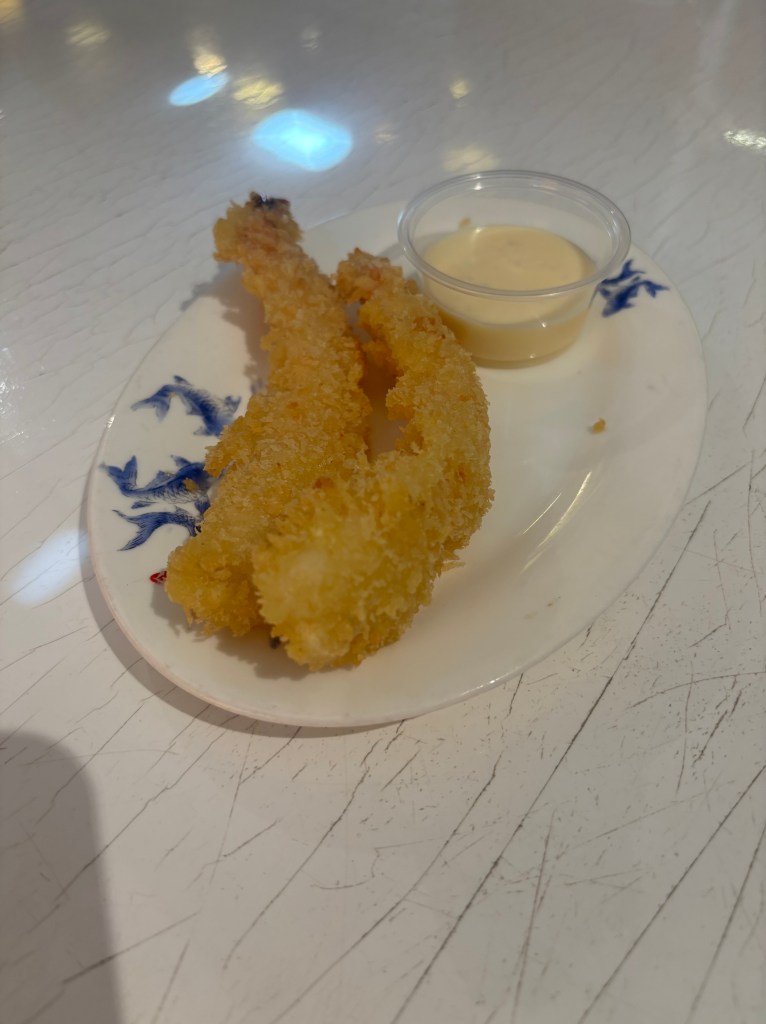
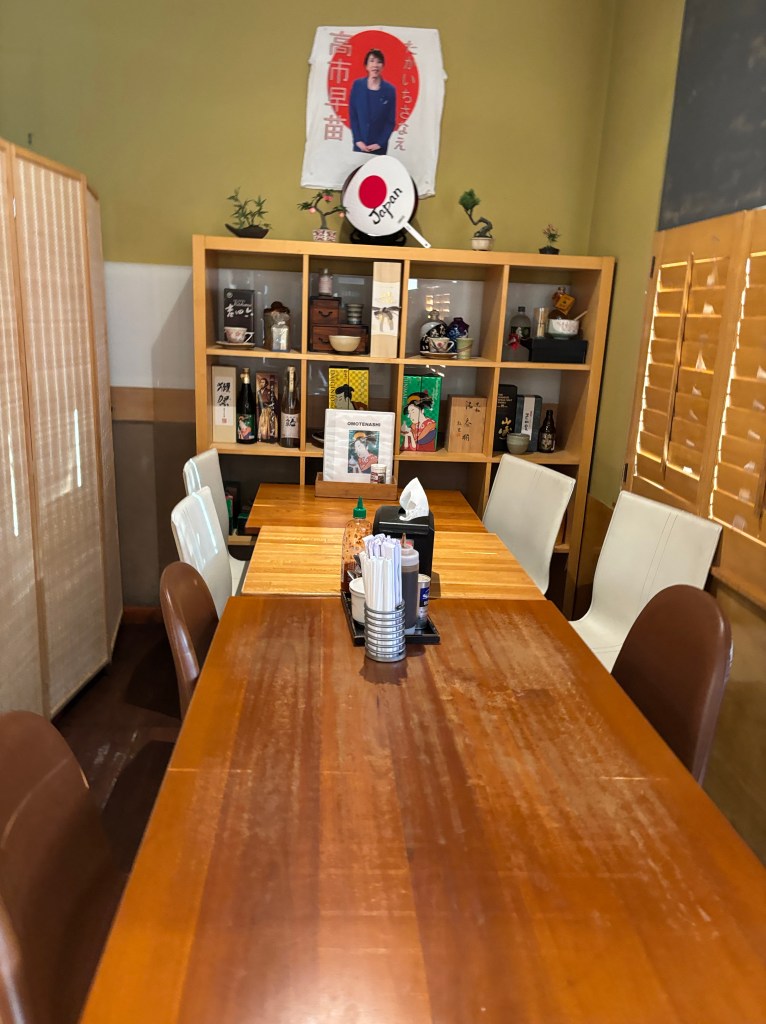
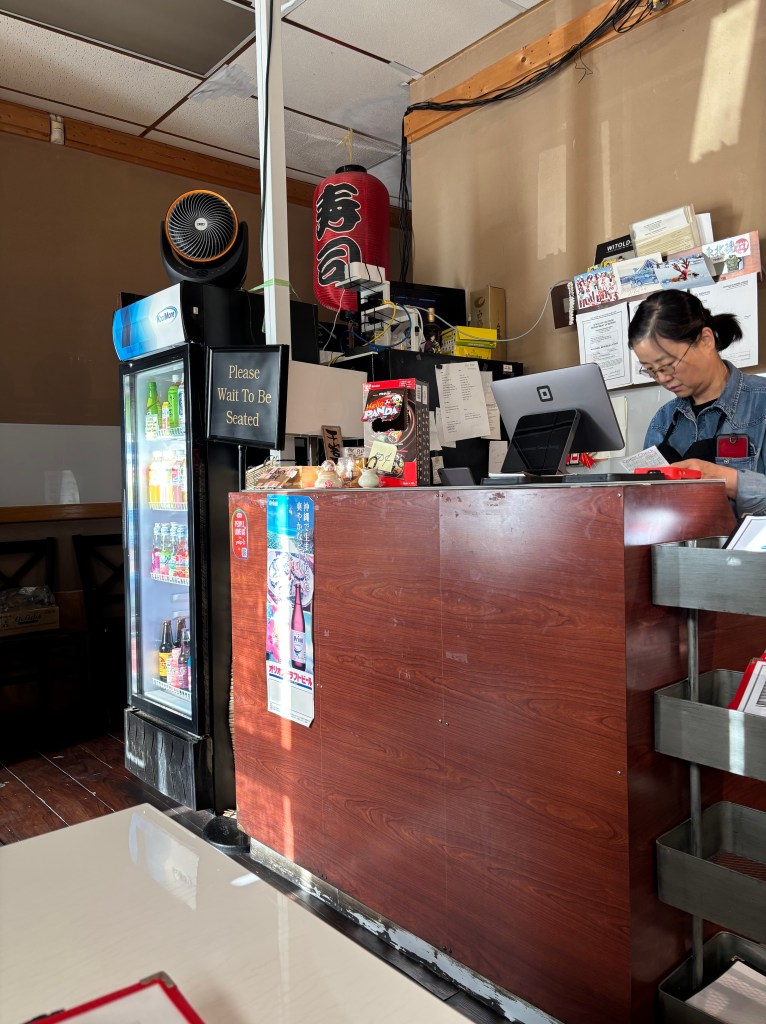
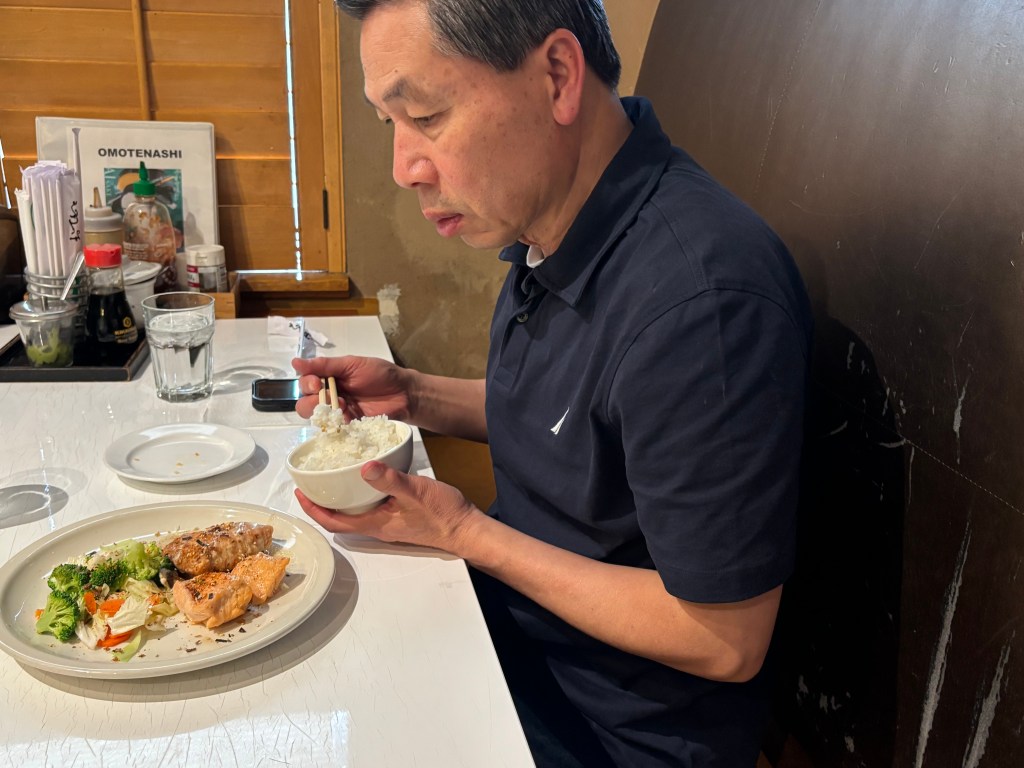
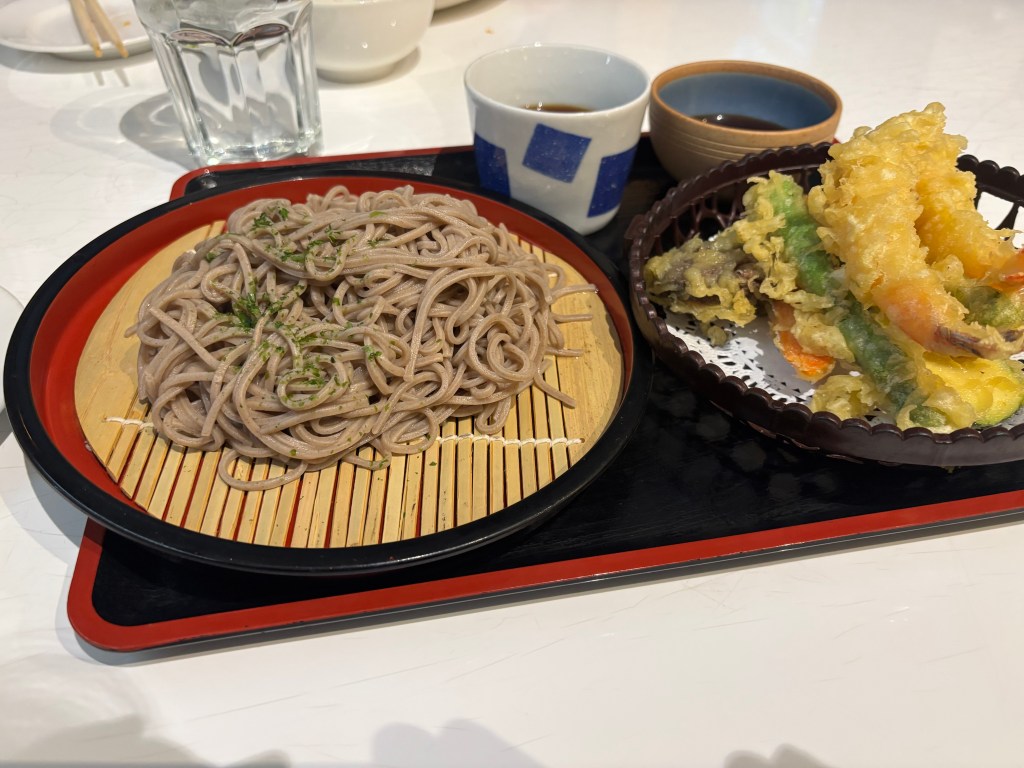
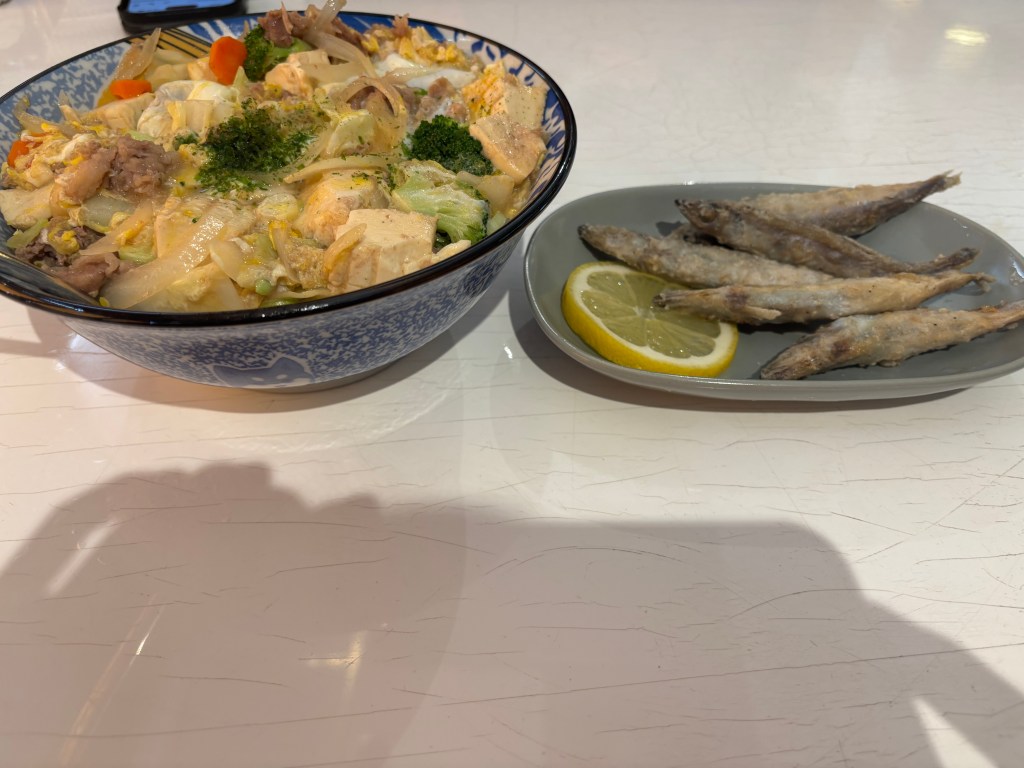
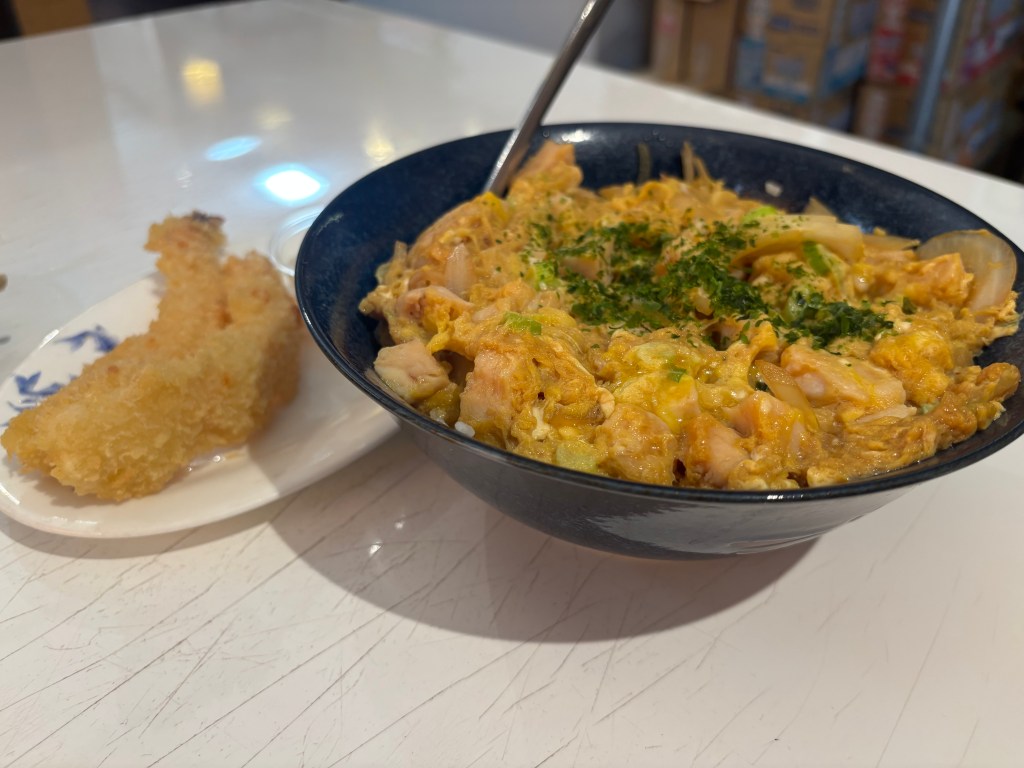
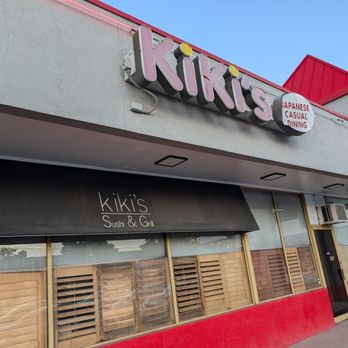
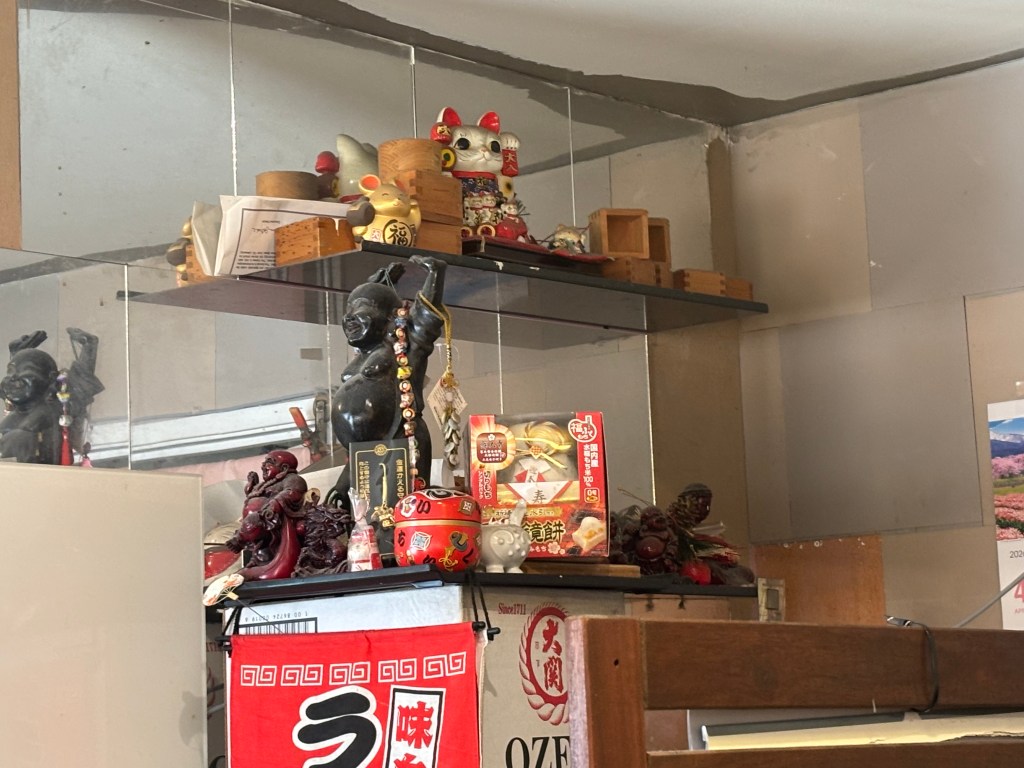
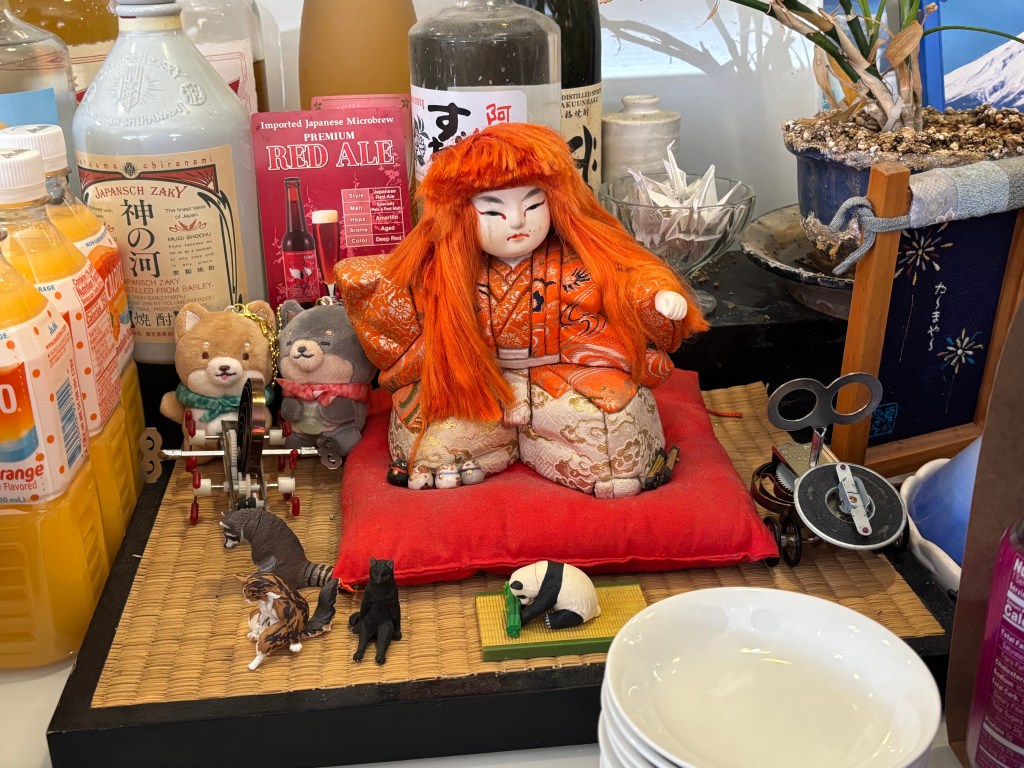
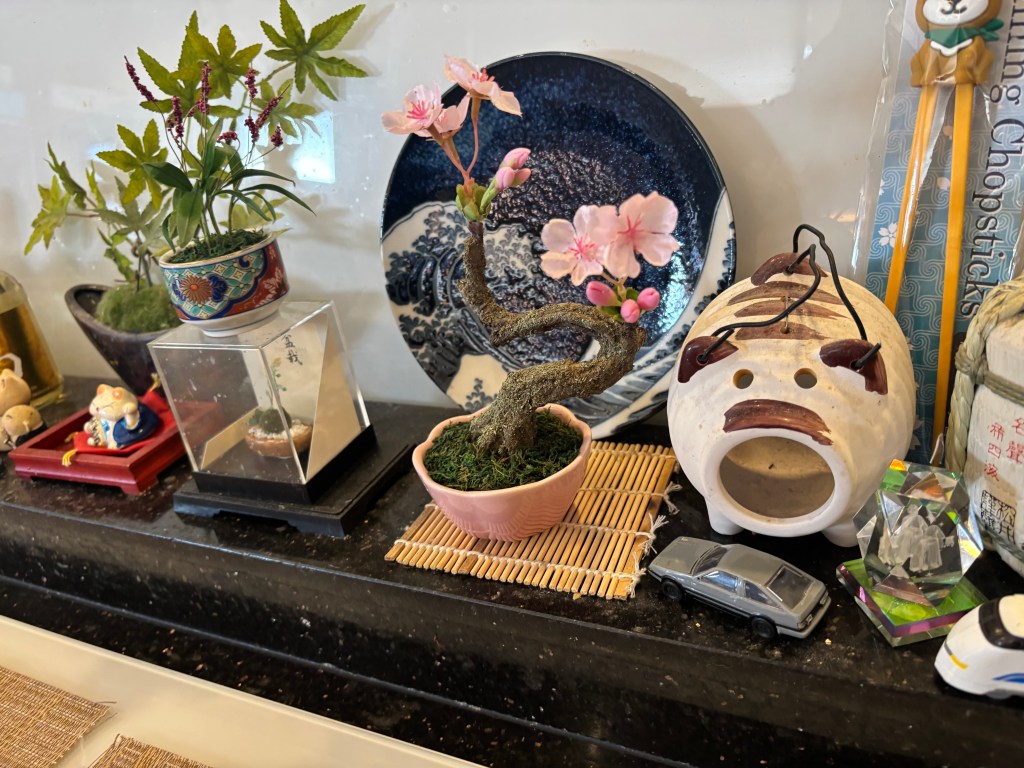
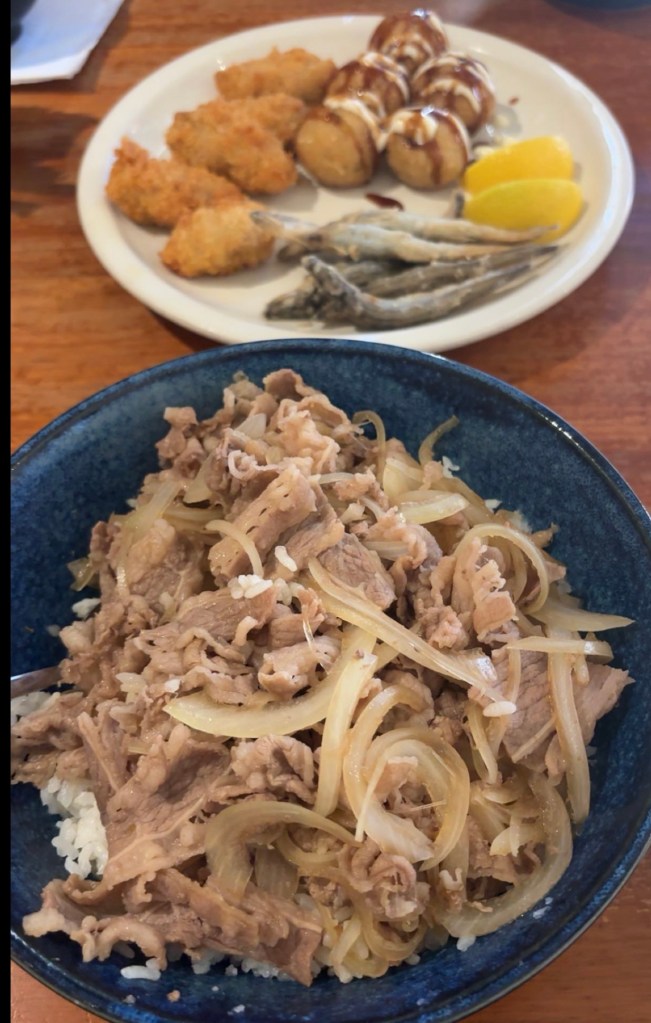
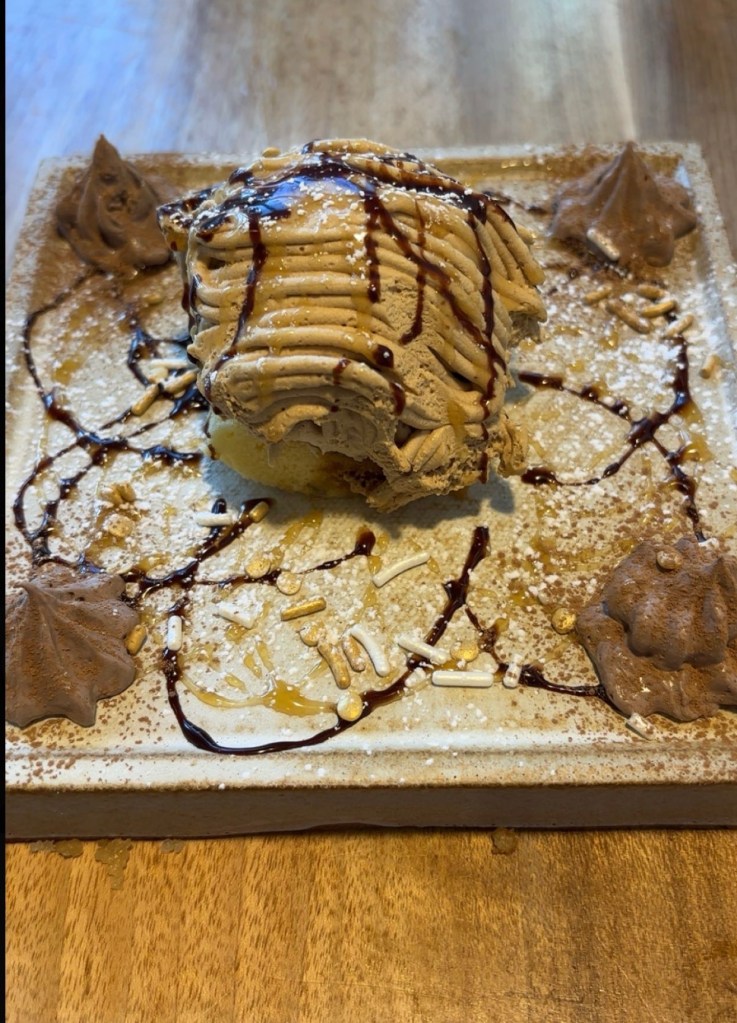
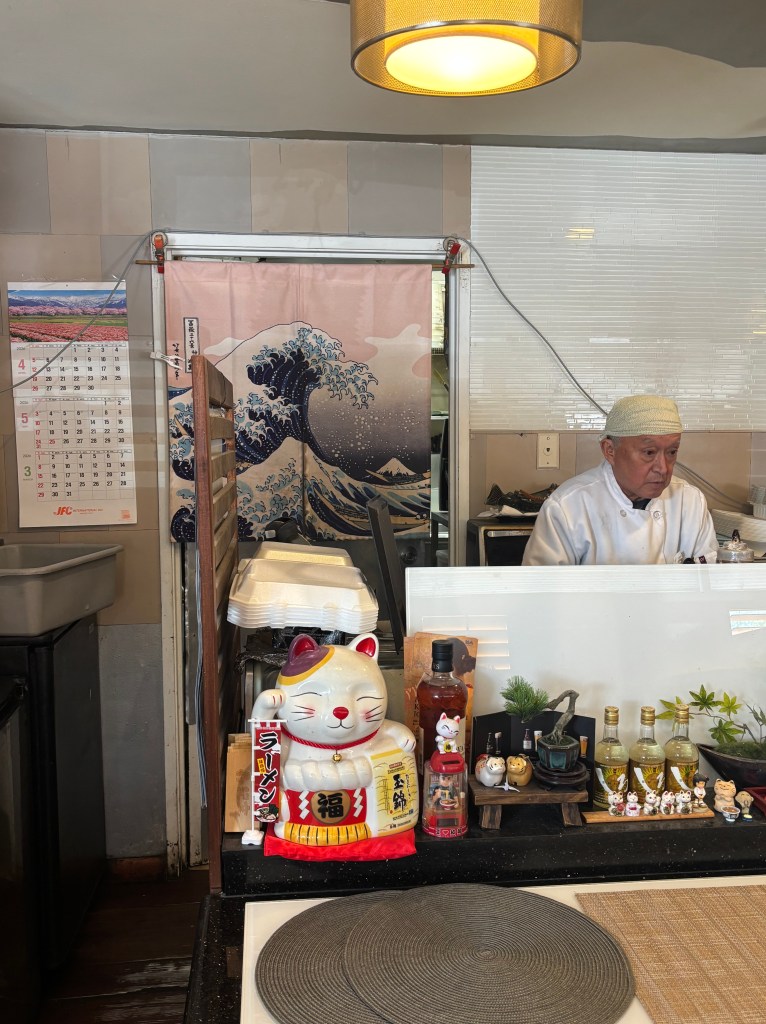
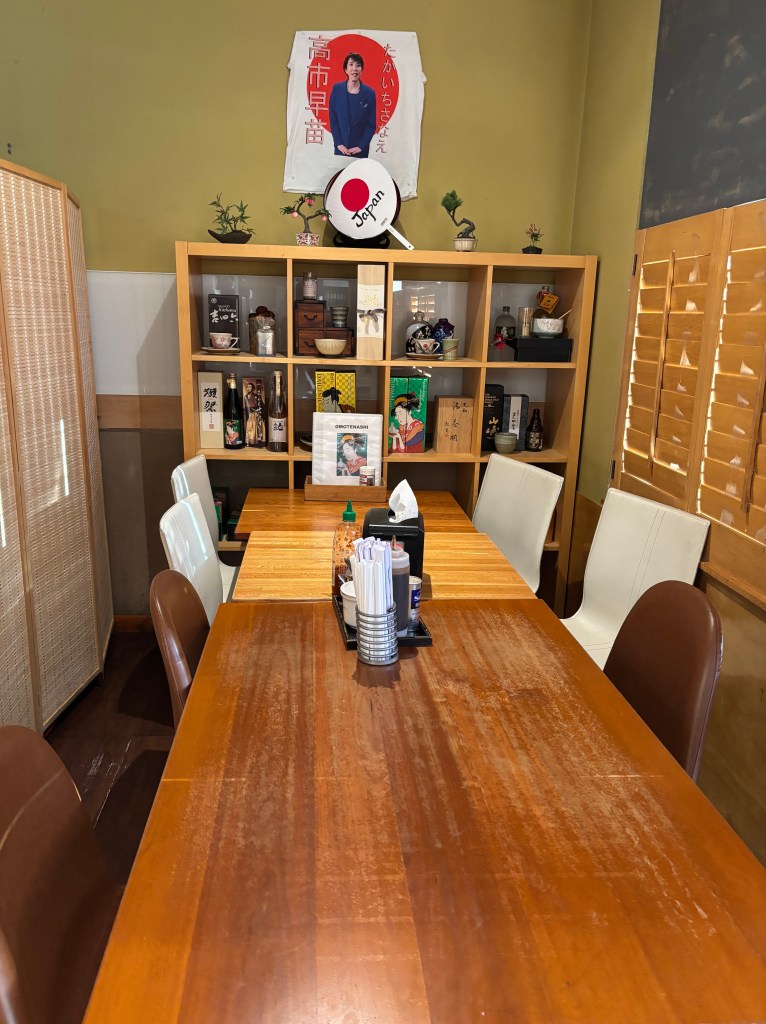
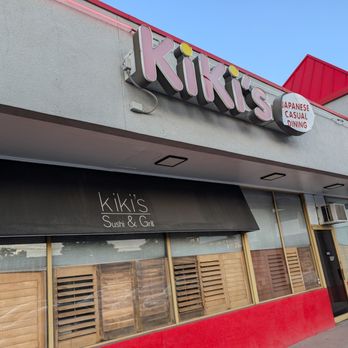
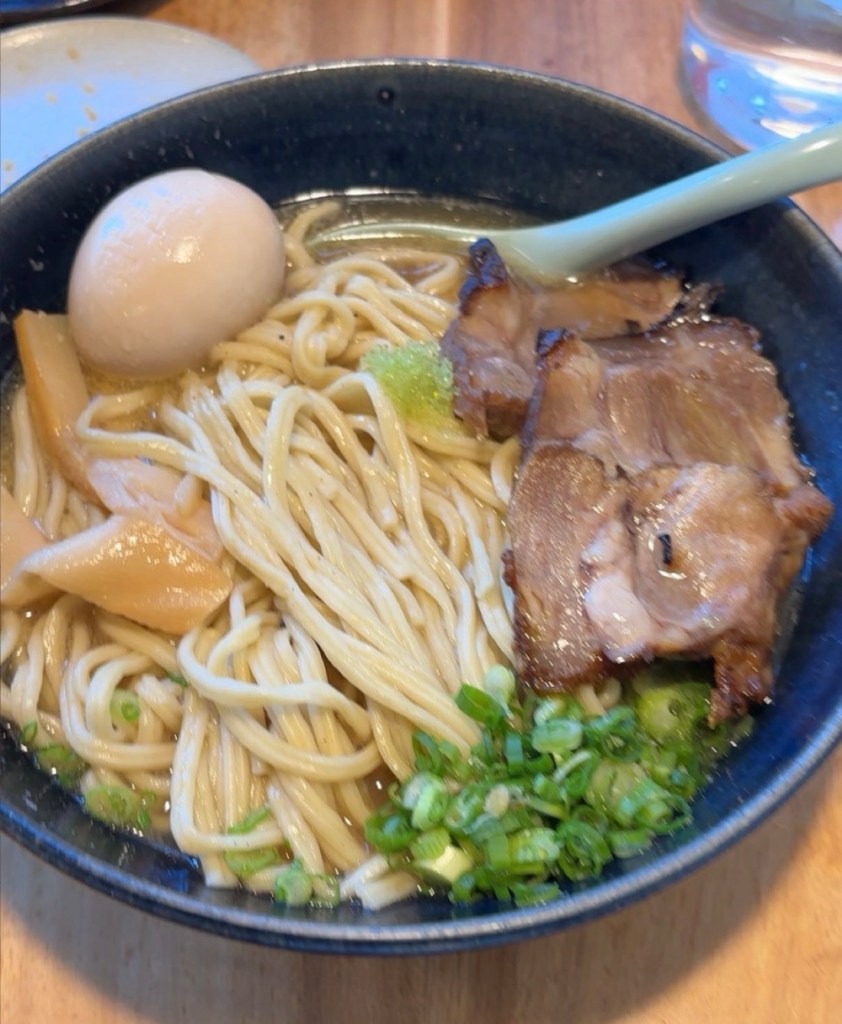
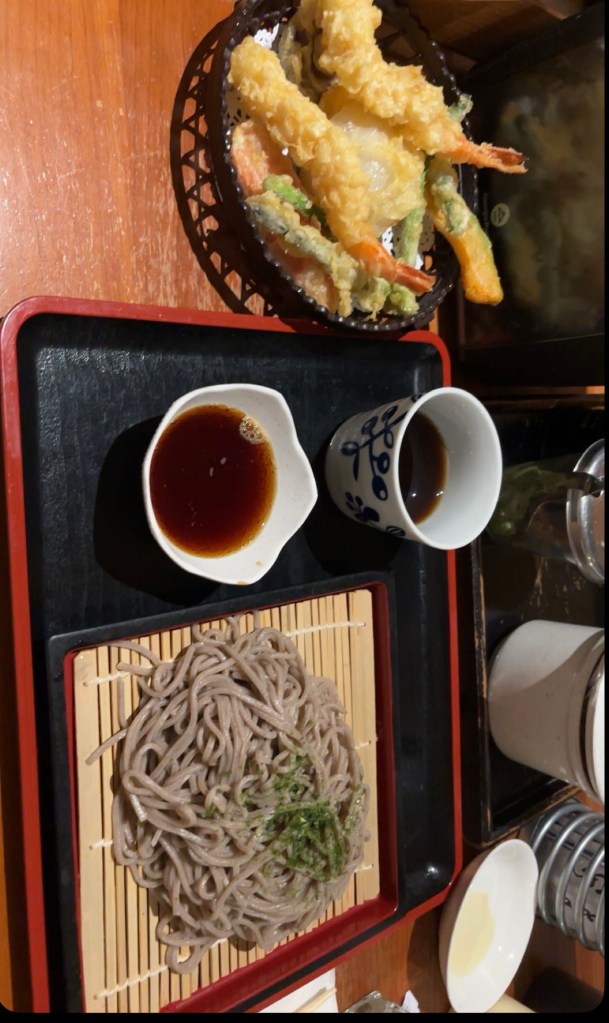
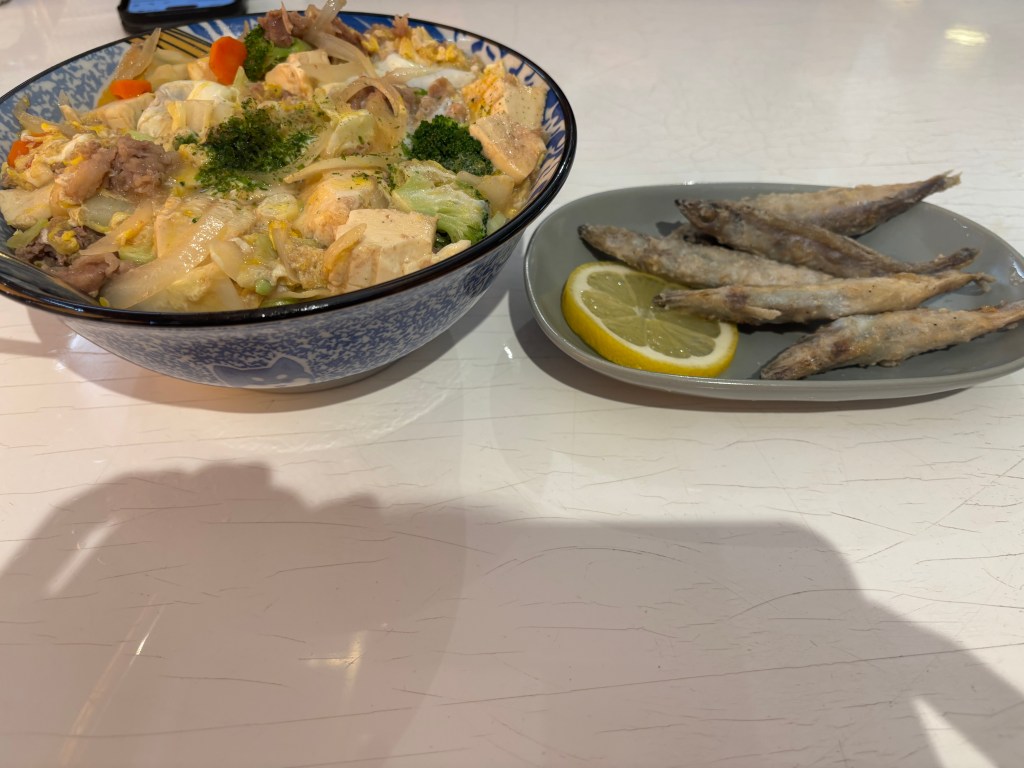
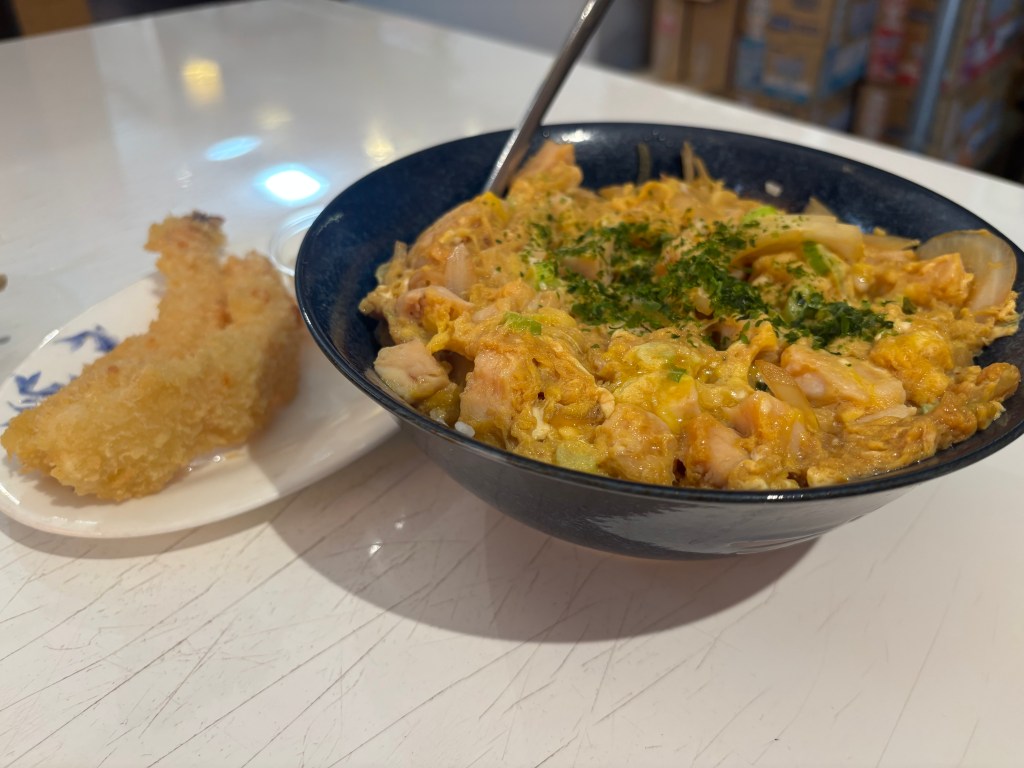
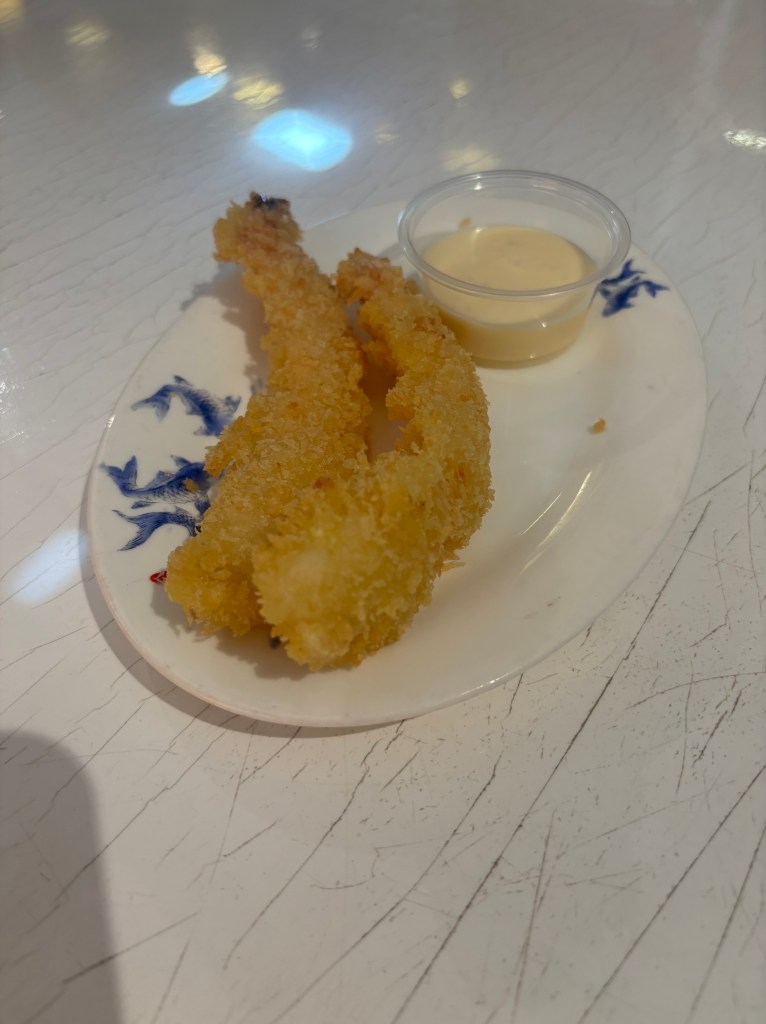
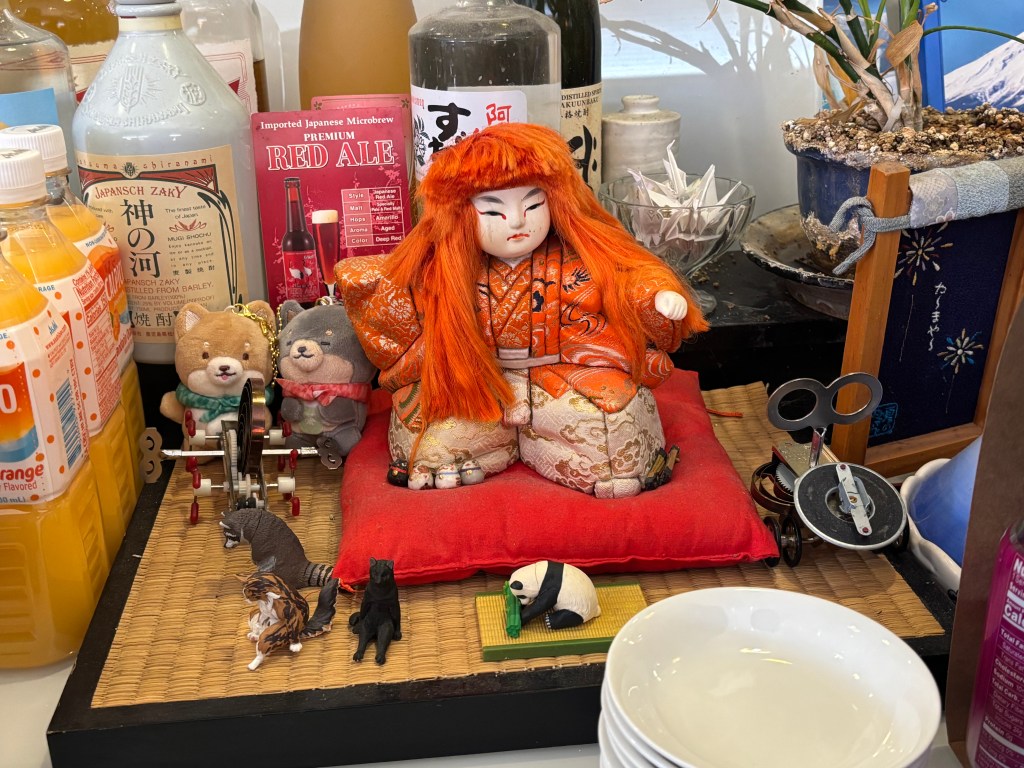
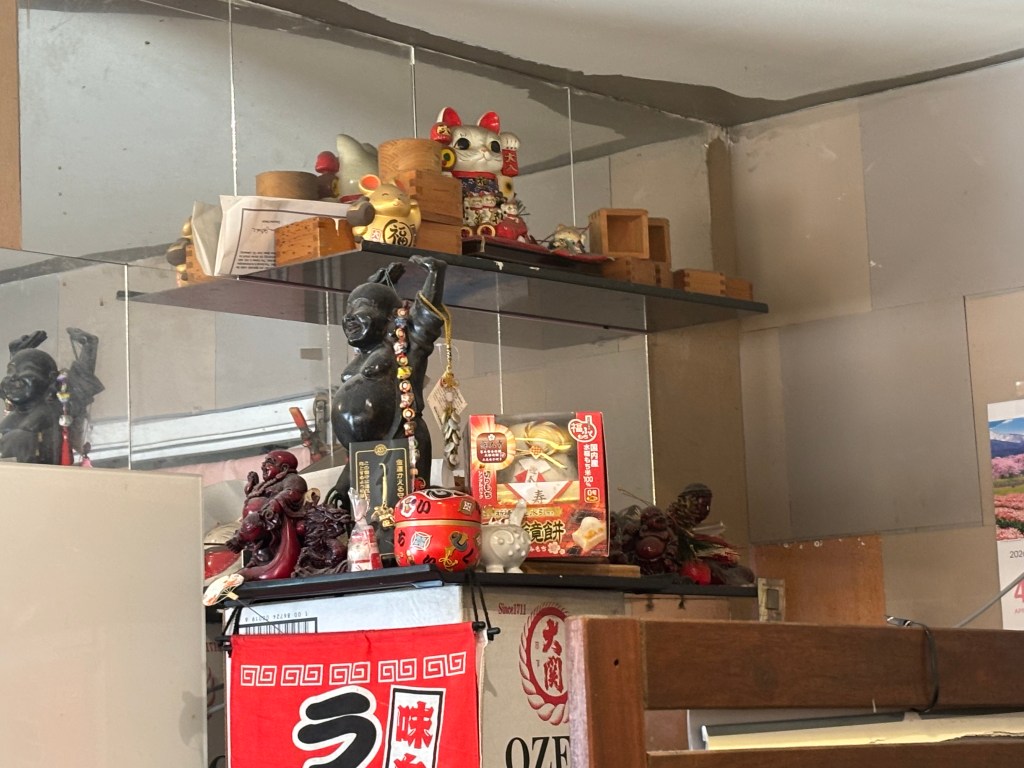
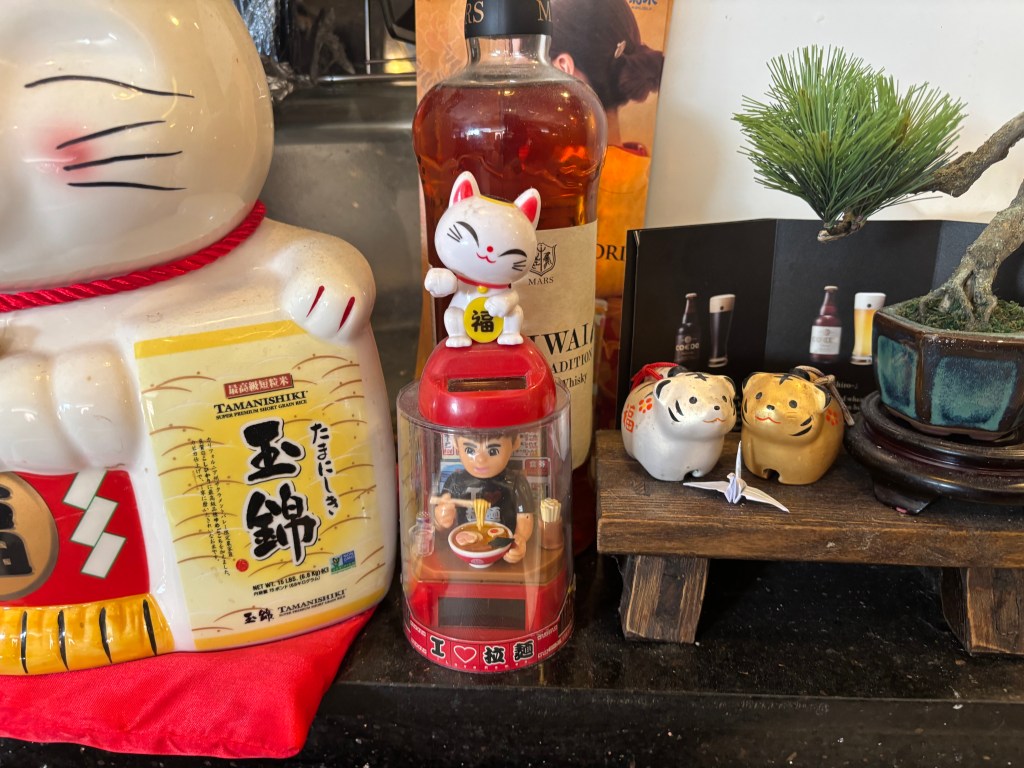
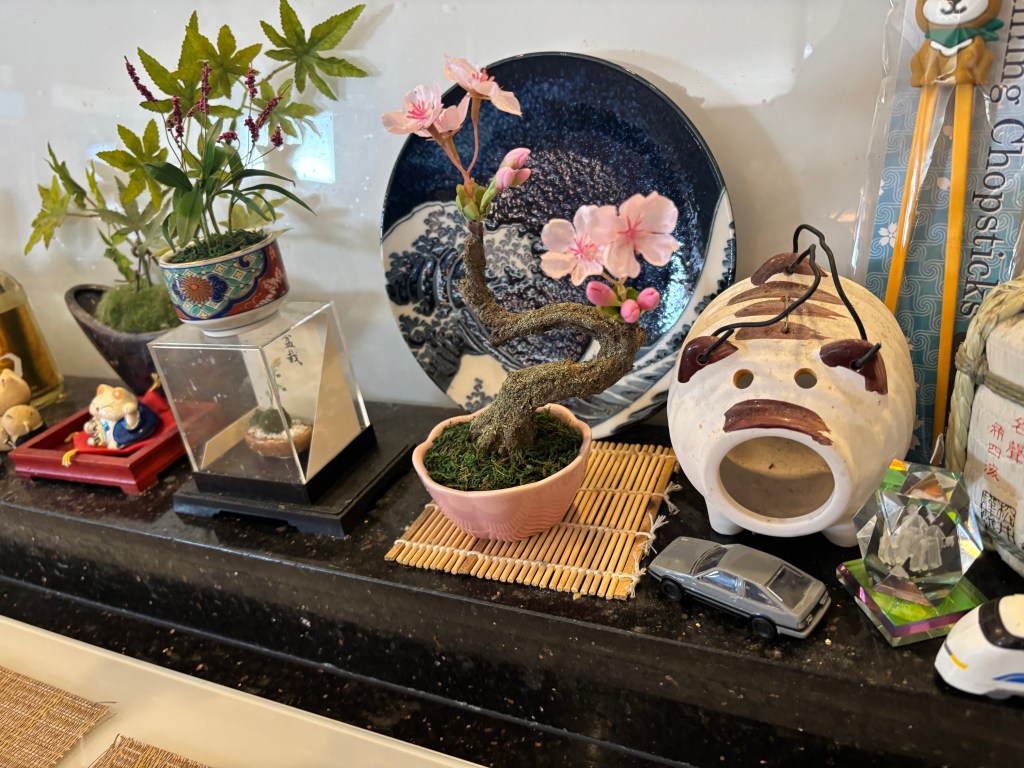
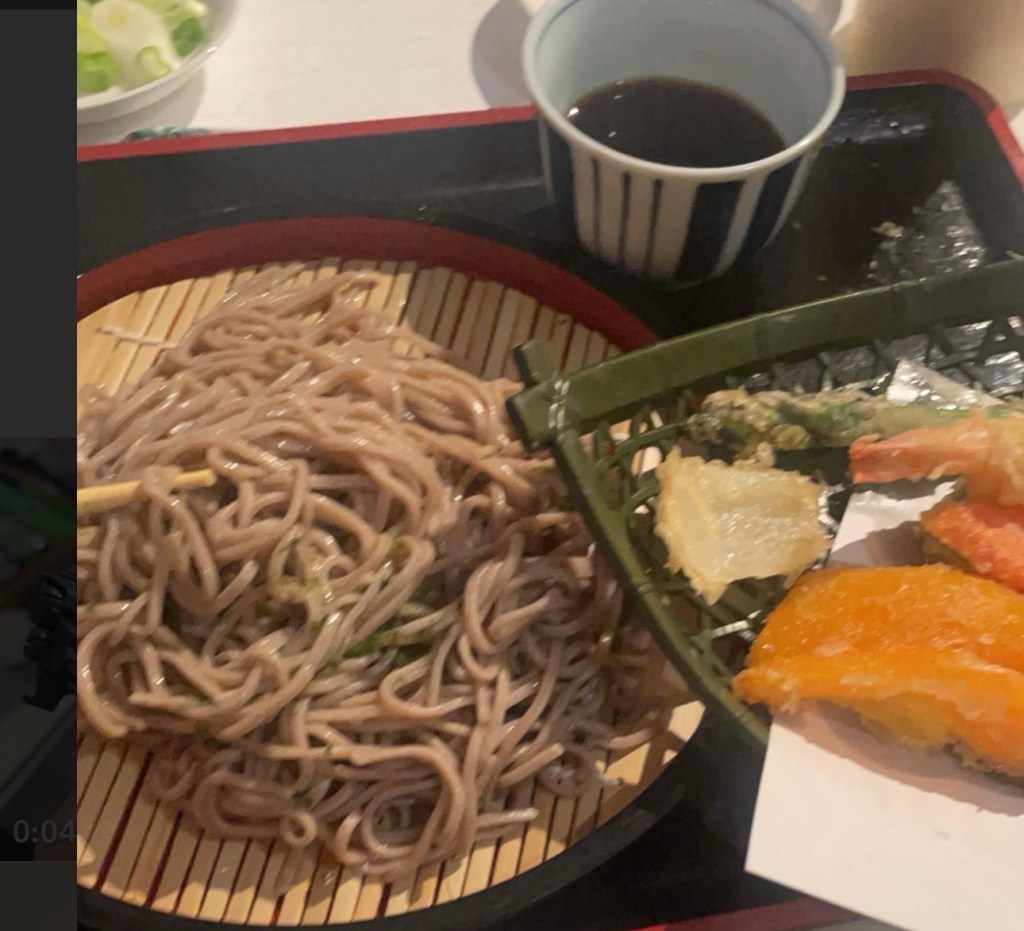
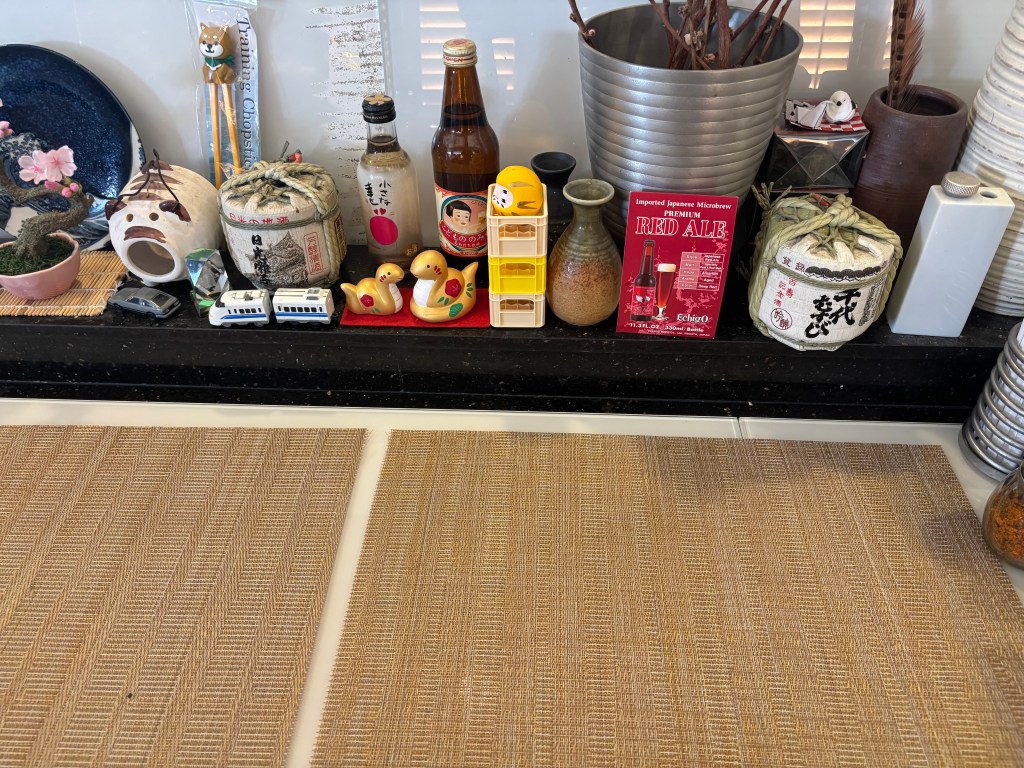
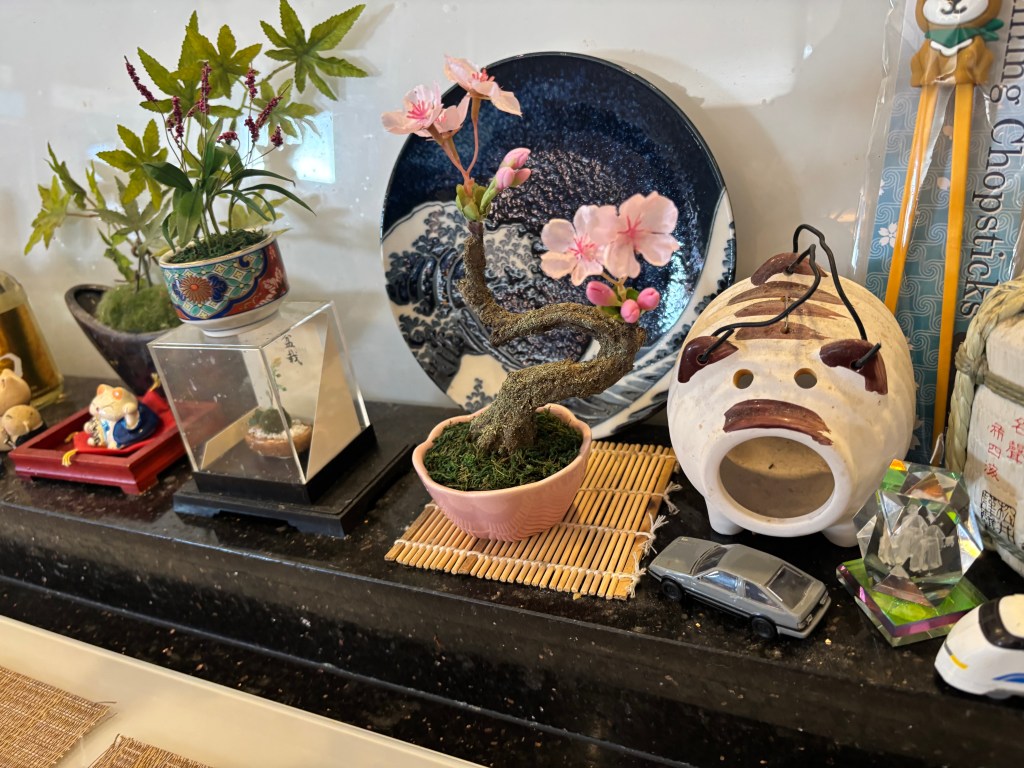
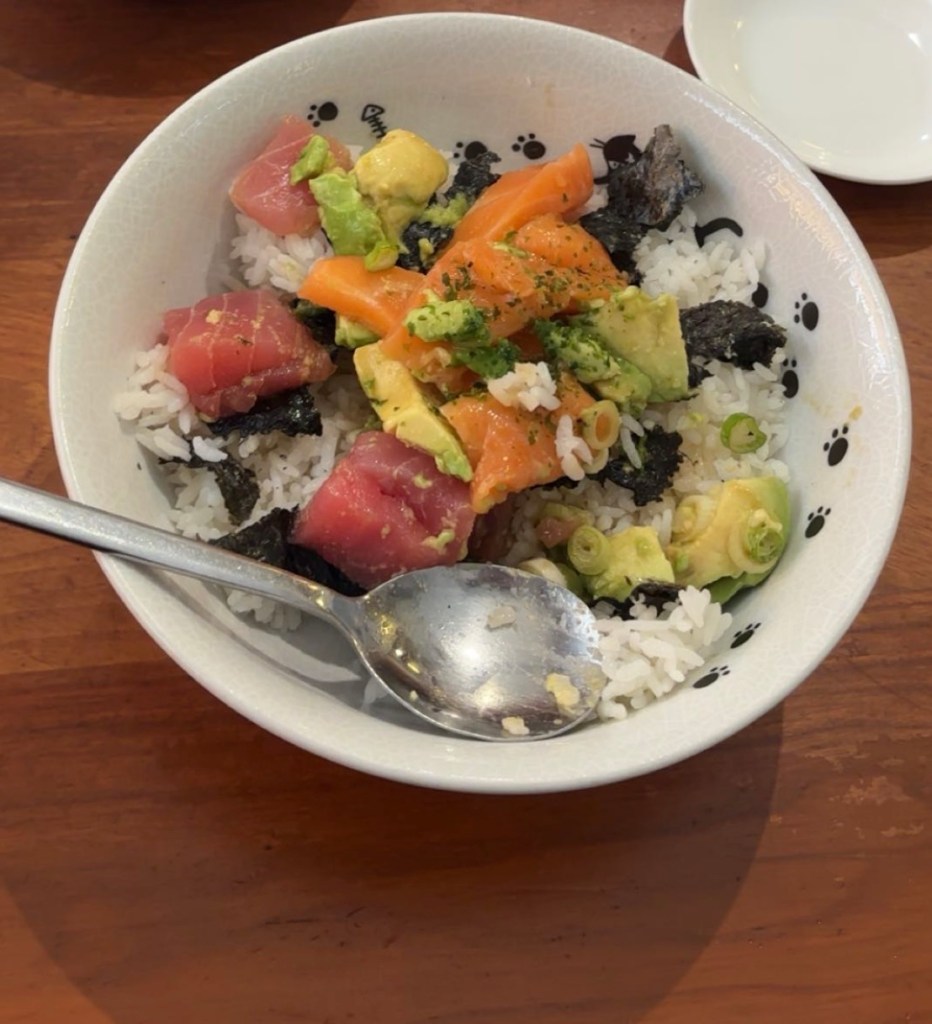
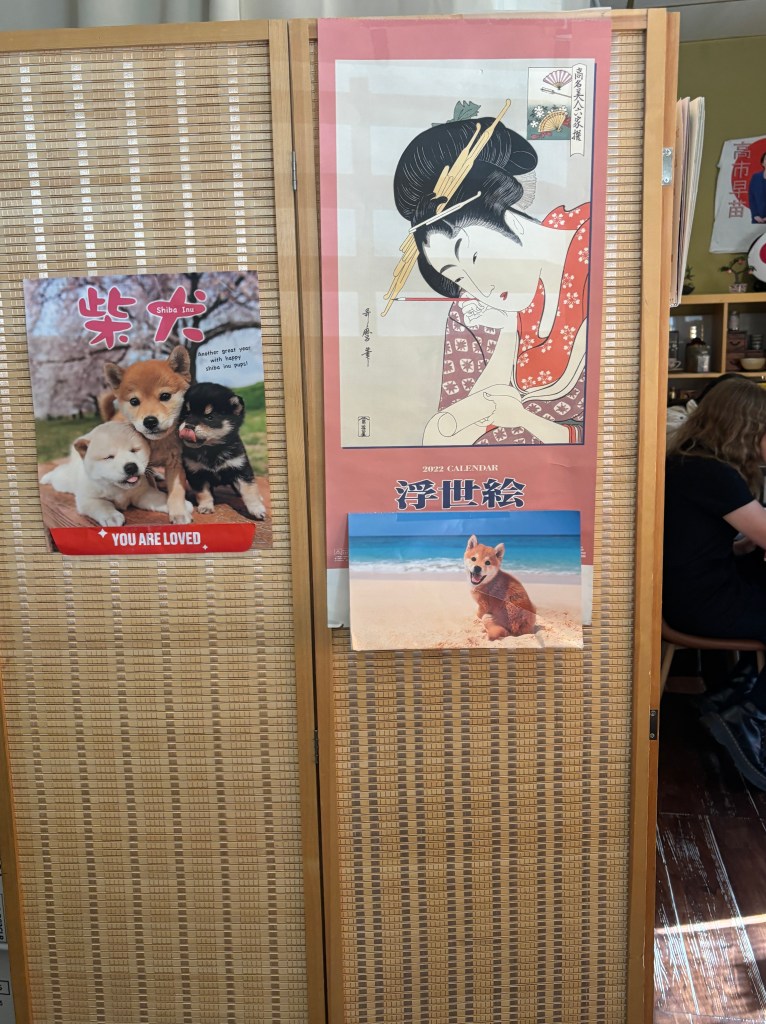
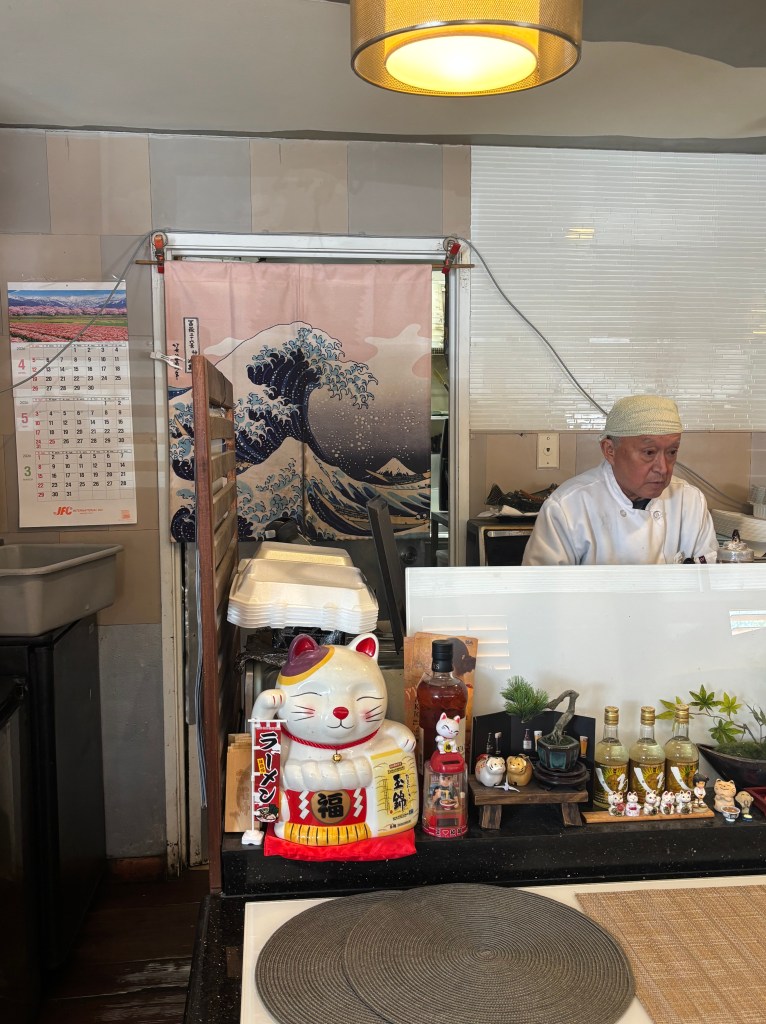
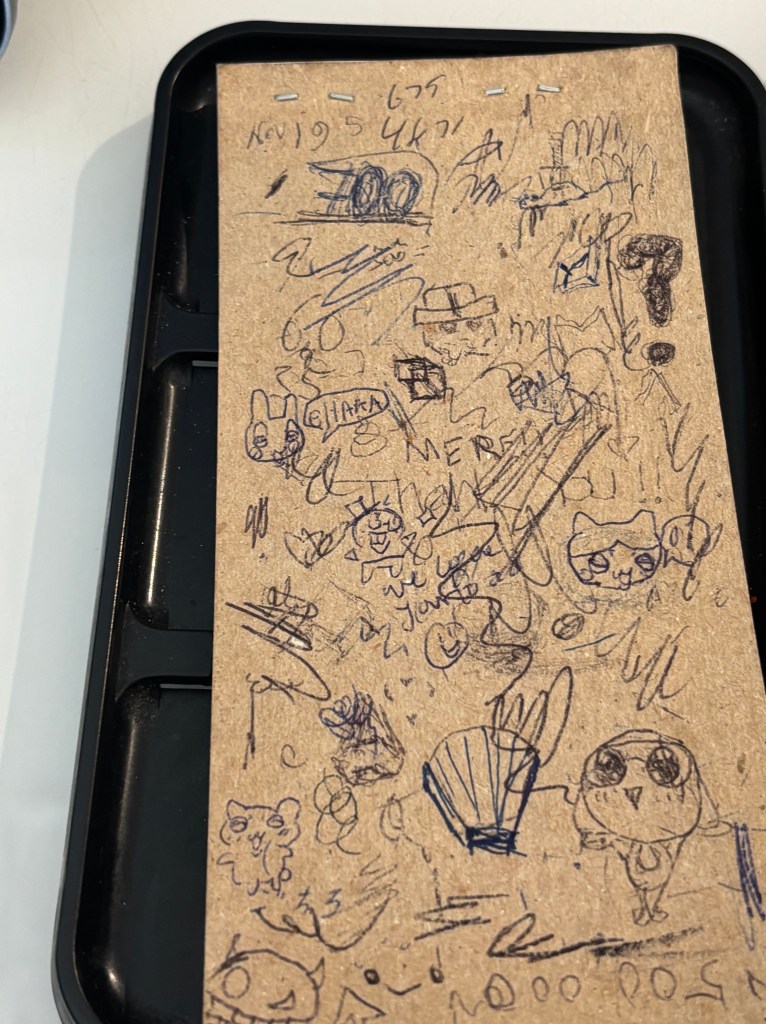
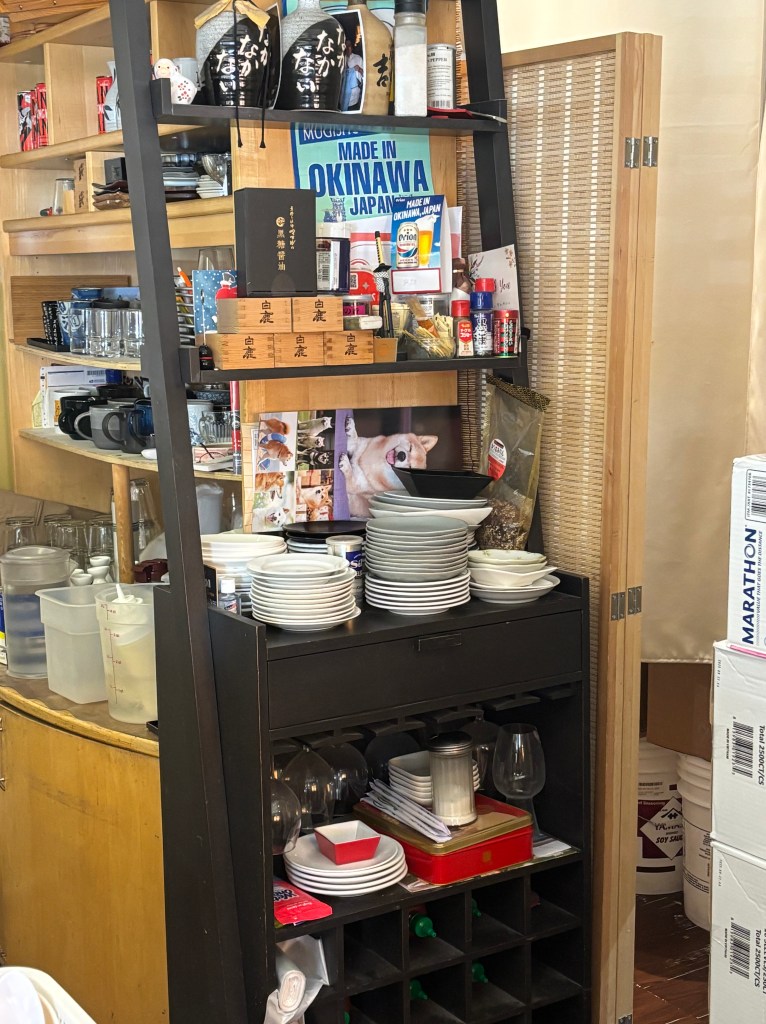
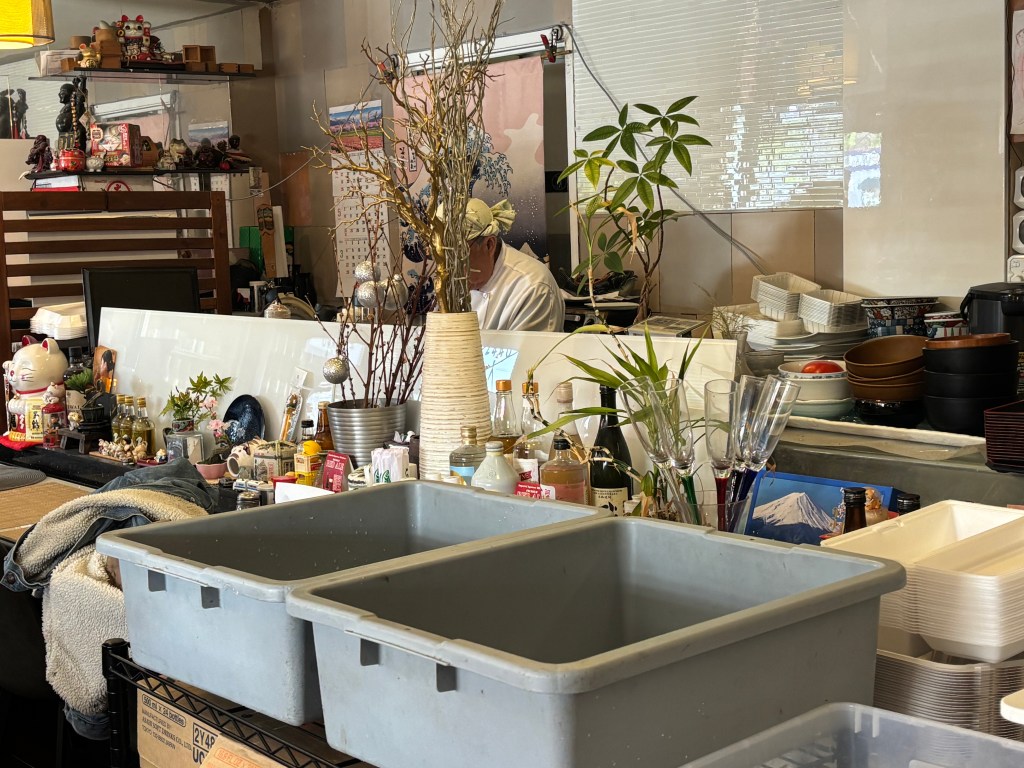
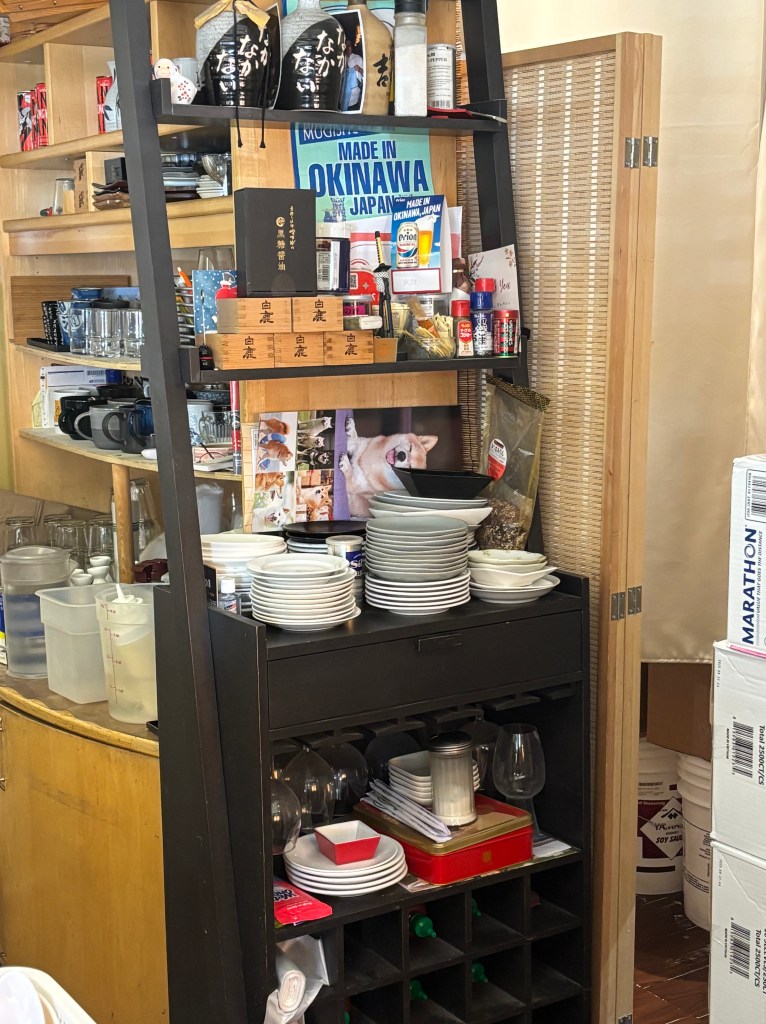
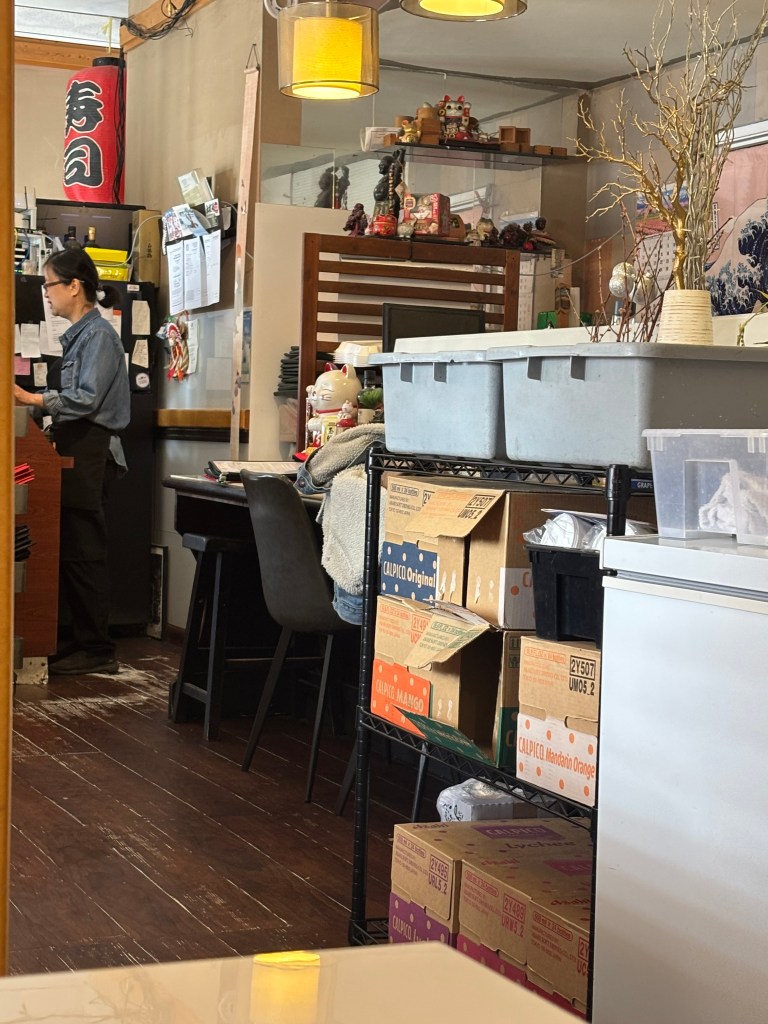
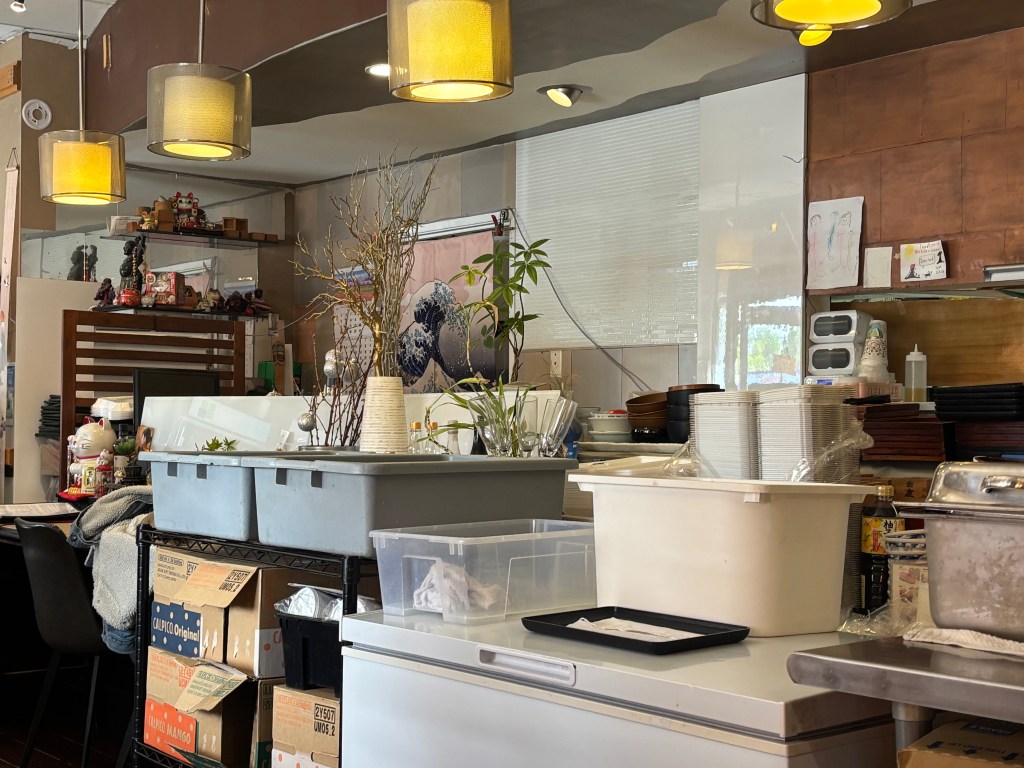
This photo gallery before you examines Kiki’s Japanese Casual Dining as a distinctive site of cultural authenticity within Colorado’s culinary landscape. As one of the few establishments in the region operated by a Japanese owner, Kiki’s offers a compelling case study in diasporic food culture. As a Japanese american it is refreshing to have an establishment so close to campus that many students can take a 20 minute walk to. The images foreground the spatial and aesthetic qualities of the interior, emphasizing its alignment with the traditional ramen-ya (ラーメン屋) model of casual dining in Japan. Such spaces are historically associated with comfort, informality, and post-work reprieve, where patrons gather to consume simple fare and alcoholic beverages. Collectively, the gallery documents how cultural identity is preserved, adapted, and experienced through everyday dining environments.